
Infrared Body Therapy: Proven Effects or Just Hype?
This study evaluates whether far-infrared (FIR) emitting fabrics help elite athletes recover faster from muscle soreness after intense training. The findings highlight a small but notable benefit in reducing delayed-onset muscle soreness (DOMS), especially 48 to 72 hours post-exercise.
What the Science Says
As sports recovery tools become more advanced, far-infrared (FIR) emitting materials are being integrated into athletic wear with claims of accelerating recovery and reducing pain. A randomized, double-blind, placebo-controlled trial led by Loturco et al. (2016) tested the effectiveness of FIR-emitting clothes on exercise-induced muscle damage (EIMD) and recovery performance in elite soccer players. The study focused on how these clothes affected muscle soreness and physical performance after a demanding plyometric workout of 100 drop-jumps.

Twenty-one male soccer players were divided into two groups: one wore FIR-emitting garments, while the other wore identical placebo clothing without FIR properties. Both groups wore their assigned garments during sleep for three consecutive nights, beginning six hours after the workout.
Measurements were taken at multiple intervals over three days to track mid-thigh swelling, plasma creatine kinase (CK) levels (a muscle damage marker), delayed-onset muscle soreness (DOMS), vertical jump performance, and leg press strength.
The study found no significant differences between the two groups in physical performance recovery or swelling. However, while both groups reported muscle soreness, the FIR group showed a reduced perception of pain at 48 and 72 hours post-exercise, supported by moderate (effect size = 0.737) and large (effect size = 0.844) reductions in DOMS compared to the placebo group. CK levels rose at 24 hours for both groups but returned to baseline by 72 hours, indicating mild muscle damage and resilience among the trained athletes.
These results suggest that FIR garments may help alleviate soreness, though their impact on other recovery markers remains unclear.

Real - World Performance
⚙️ FIR clothing reduced muscle soreness at 48 and 72 hours post-exercise without interfering with training schedules.
⚙️ No improvements were observed in strength, jump performance, or limb swelling, indicating limited benefits beyond perceived pain relief.
⚙️ The garments were effective when worn for 10 hours overnight, suggesting practicality for real-world athletic use.
⚙️ The FIR effect was mild and delayed, becoming more apparent after the 48-hour mark.
Good to Know
🔍 Only delayed-onset muscle soreness (DOMS) improved, not strength or muscle recovery markers like creatine kinase.
🔍 The clothes must be worn overnight for several hours to achieve any observable effect.
🔍 Effects were moderate to large only in pain perception, not in measurable performance outcomes.
🔍 Best suited for highly trained athletes; results may differ in general or less conditioned populations.
🔍 No adverse effects were reported, suggesting the method is safe and easy to implement.
🔍 FIR clothes may complement, but not replace, traditional recovery methods.
🔍 Results may vary based on the timing of application post-exercise.
🔍 DOMS was assessed only through visual pain scales; more robust tools (like algometry) are needed for deeper insight.

Evidence-Based Reliability Score
The sample was small but included elite athletes. The study was methodologically strong with a double-blind, placebo-controlled design, but outcomes were limited to a narrow scope of effects and lacked long-term data.
65%
The Consumer Takeaway
This study offers a grounded assessment of FIR-emitting recovery wear in a sports context. While the garments did not influence strength or measurable physical recovery, they showed a clear benefit in reducing perceived muscle soreness, particularly between 48 and 72 hours after high-intensity exercise.
These findings support the potential of FIR textiles as a non-invasive, passive recovery aid, especially useful for athletes aiming to reduce training discomfort without disrupting routines. However, as the effects were limited to subjective soreness and lacked broader physiological impact, further research is essential to evaluate their long-term benefits and effectiveness in other populations or sports settings.
Loturco, I., Abad, C.C.C., Nakamura, F.Y., et al. (2016). Effects of far infrared rays emitting clothing on recovery after an intense plyometric exercise bout applied to elite soccer players: a randomized double-blind placebo-controlled trial. Biology of Sport, 33(3), 277–283. https://doi.org/10.5604/20831862.1208479
DID YOU GET ANY OF THAT?
Read a summarization of this page's content in question-answer format ▽ (click to open and collapse the content)
Do far-infrared (FIR) garments reduce muscle soreness after exercise?
Yes. In elite soccer players, FIR-emitting clothing significantly reduced delayed-onset muscle soreness (DOMS) 48–72 hours after intense plyometric training compared to placebo garments.
Can FIR clothing improve muscle recovery and athletic performance?
Not consistently. The study found no significant improvements in strength, jump performance, or muscle swelling, suggesting FIR garments mainly affect pain perception rather than physical recovery markers.
How does far-infrared fabric work for post-workout recovery?
FIR materials are designed to reflect body heat back into tissues, which may enhance circulation and reduce perceived soreness, though measurable changes in muscle repair were limited.
Are far-infrared recovery clothes effective for reducing exercise-induced muscle damage (EIMD)?
They may help with discomfort but not structural recovery. Blood markers of muscle damage (creatine kinase) returned to baseline in both FIR and placebo groups, indicating no added physiological repair effect.
Gadgets Connected to These Scientific Insights
The gadgets shown here each rely on the science discussed in this article — sometimes directly, sometimes through a clever variation of the same underlying technology.
For the best experience, we recommend reading the summary first. It gives you a quick, clear understanding of how the technology works and helps you decide whether these gadgets match what you’re looking for.
This review covers an Amazon product offered through affiliate links. Gadgifyr may earn a small commission if you buy — at no extra cost to you.

Seller:
Amazon
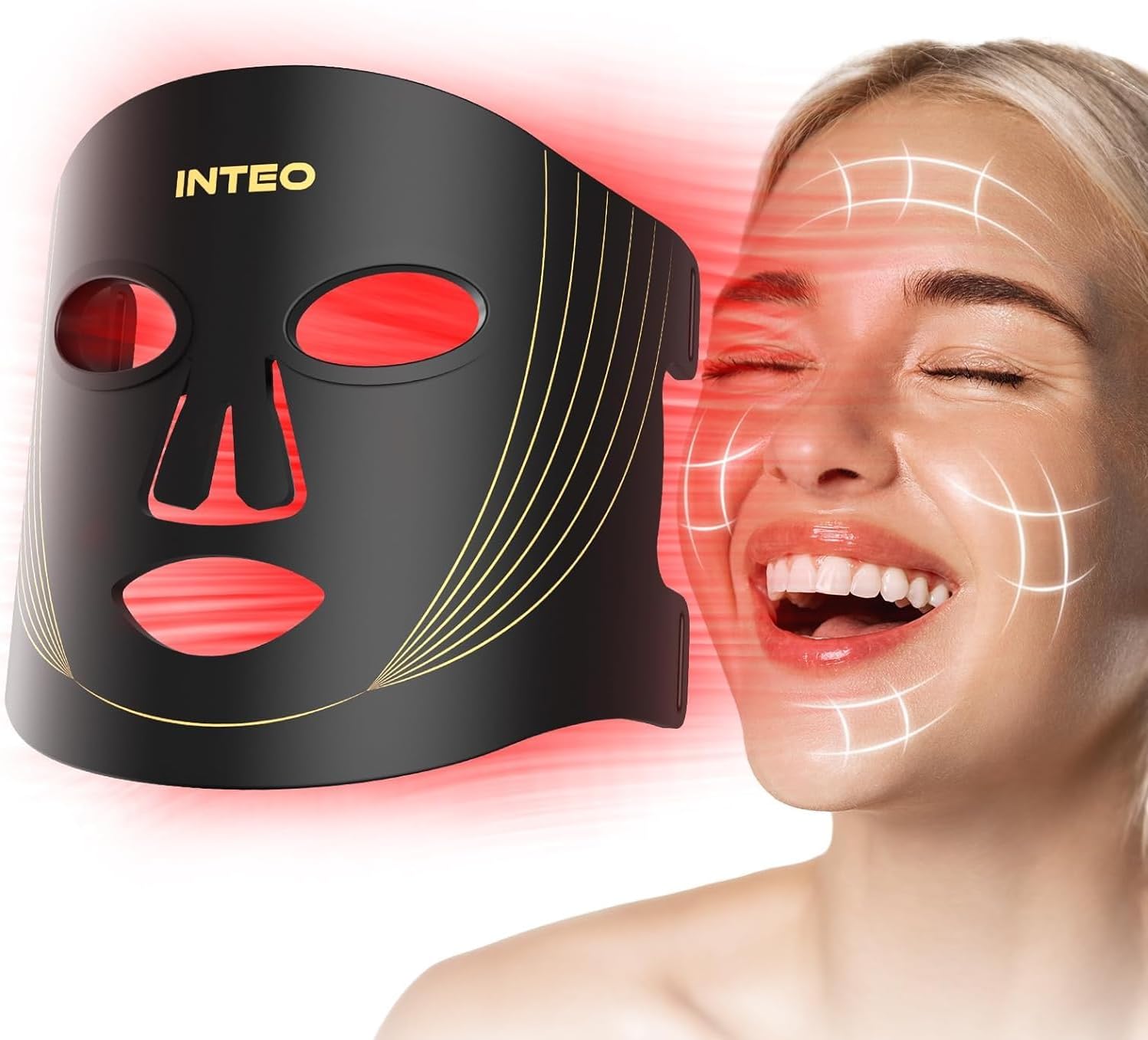
INTEO Red Light Therapy Face Mask
Portable LED Light Therapy Mask with Multiple Light Modes, Adjustable Brightness, and Remote-Controlled Timing for At-Home Facial Care
This review covers an Amazon product offered through affiliate links. Gadgifyr may earn a small commission if you buy — at no extra cost to you.
Seller:
Amazon
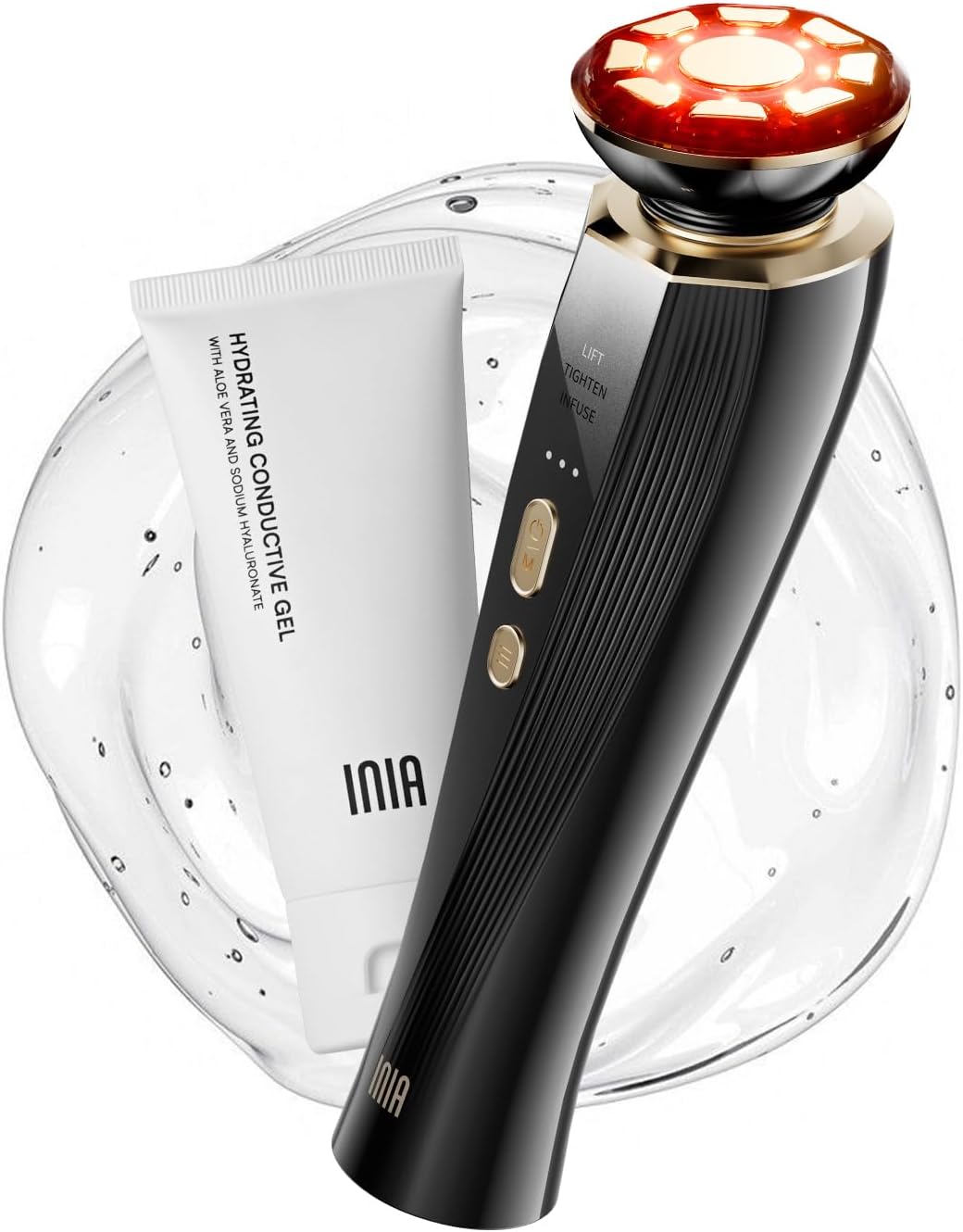
INIA 3-in-1 Red Light Therapy Face and Neck Device
Handheld Facial and Neck Skincare Device with Lift, Tighten, and Infuse Modes Using Vibration, LED Red Light, and Conductive Contact for Routine-Based Firming Care
Explore other Gadget Related Articles:

Smart Yoga Mats: Useful Coach or Hype?
Smart yoga mats can provide real-time feedback that may speed up learning for some beginners, but they are not required for yoga’s core benefits.

From Pore Vacuums to Blue Light: What Actually Treats Acne, and What Doesn’t
A science-driven breakdown of how acne develops, whether suction gadgets and blue light therapy can treat or prevent it, and the most effective alternatives for maintaining healthy, clear skin.

From Heat to Electricity: What Really Works for Period Cramp Pain?
Heat, gentle electrical stimulation, and some self-care habits can reduce period cramps for many people, but the best results usually come from combining proven methods rather than relying on one gadget.

1 / 15


About Gadgifyr
We uncover and review gadgets that genuinely make life better — from boosting focus and energy to improving everyday comfort and wellbeing.
No exaggerations, no empty promises. Just real reviews, grounded research, and practical tech that adds value — not noise.
When a gadget makes bold claims, we test the facts, check the science, and give you the clarity you need to decide with confidence.
Join the Gadgifyr Community
Stay ahead of the curve, together.
Get involved with a community that loves smart gadgets, real reviews, and tech that actually improves life.
Subscribe to the Newsletter
No spam. Just smart tech.
Get new reviews, science insights, and hand-picked gadget drops straight to your inbox.
Explore Gadgifyr's Blogs


Gadgifyr
February 5, 2026
-
8 min
Clarity Over Chaos: Top Gadgets That Strengthen Planning, Workflow, and Everyday Focus
Five thoughtfully chosen gadgets that help structure your time, protect your focus, and bring clarity to everyday work and home routines.
Category

Gadgifyr
January 28, 2026
-
6 min
Heat & Cold Therapy, Demystified: Evidence, Protocols, and Real-World Routines
Curious about cold and heat therapy? Here’s what the science really says—plus simple, safe routines you can start at home.
Category

Gadgifyr
January 12, 2026
-
6 min
The Science of Regrowth: Proven Ways to Combat Hair Loss
Can hair loss be reversed naturally? We explore the science behind scalp stimulation, supplements, and more - what works, what doesn’t, and why.
Category


