
Too Hot to Think: How Heat Impacts Your Health, Focus, and Daily Performance
High temperatures affect the body and brain faster than many people realize. This article explains why staying cool matters for health and focus, how overheating harms the body, and what science shows are the best and worst ways to cope with heat.
What the Science Says
When the human body is exposed to heat, it constantly works to keep its core temperature within a safe range. This balance is maintained through sweating, increased skin blood flow, and changes in heart rate. When heat exposure becomes too intense or lasts too long, these systems struggle to keep up. As a result, body temperature rises, placing stress on the heart, brain, and other organs. This is why staying cool is not only about comfort, but about basic physiological safety.
From a health perspective, heat stress can quickly reduce physical and mental performance. Research on workplace and environmental heat exposure shows that work capacity drops sharply when temperatures exceed safe limits, especially when humidity is high. The Wet Bulb Globe Temperature (WBGT), a common heat index, demonstrates that once values rise above roughly 26–30°C, the body needs frequent rest to avoid overheating.
Without cooling breaks, core body temperature can rise above 38°C, increasing the risk of heat exhaustion and heat stroke. Older adults, people with chronic illness, and those performing physical work are particularly vulnerable.

Heat also affects the brain. Reviews of laboratory and real-world studies show that hot environments reduce attention, reaction speed, and complex thinking, even when people feel only moderately uncomfortable. Simple tasks may remain unaffected, but decision-making, memory, and sustained focus tend to suffer as body temperature increases.
Meta-analyses suggest that cognitive performance can drop by more than 10% in hot conditions compared to neutral temperatures. Over longer periods, heat exposure has also been linked to higher mortality rates, with population studies showing a 1–3% increase in death risk for each degree rise above local heat thresholds.

Effective cooling strategies focus on reducing heat load and supporting the body’s natural cooling systems. Drinking fluids, reducing physical effort during peak heat, using shade and airflow, and wearing breathable clothing all help stabilize body temperature.
In contrast, ignoring thirst, wearing heavy clothing, or pushing through heat without rest increases strain and risk. Overheating is rarely sudden; it builds gradually, making early cooling actions critical for preventing serious outcomes.
Related Books ▼
Gadgifyr could not find any relatable books about this topic that were not to advanced and/or technical.
-

Real - World Performance
⚙️ Hydration supports sweating, which is the body’s main cooling mechanism.
⚙️ Rest breaks in shade or cool areas help lower core temperature before it becomes dangerous.
⚙️ Air movement (fans or ventilation) improves sweat evaporation and cooling efficiency.
⚙️ Light, breathable clothing reduces heat trapping at the skin.
⚙️ Scheduling activity during cooler hours lowers overall heat exposure.
⚙️ Cooling the head and neck can provide quick relief and comfort.
Good to Know
🔍 Heat stress builds gradually, so symptoms may appear later than expected.
🔍 Humidity matters as much as temperature, because it limits sweat evaporation.
🔍 Mental fatigue can appear before physical exhaustion, affecting judgment and focus.
🔍 Older adults adapt less efficiently to heat, increasing risk.
🔍 Fans help only if sweating can evaporate, not in extremely humid conditions.
🔍 Ignoring early signs like dizziness or confusion is dangerous.
🔍 Repeated heat exposure without recovery increases long-term health risk.

Evidence-Based Reliability Score
Strong physiological, occupational, and population-level evidence supports health and performance risks of heat exposure.
94%
The Consumer Takeaway
Staying cool in hot weather is a fundamental health strategy, not a luxury. Scientific evidence shows that excess heat strains the body’s cooling systems, reduces physical capacity, and impairs mental clarity and focus. As temperatures rise, even simple tasks require more effort, while complex thinking and decision-making become less reliable.
The risks of overheating extend beyond discomfort. Heat exhaustion, heat stroke, and increased mortality are well-documented outcomes when cooling strategies are neglected. Fortunately, effective prevention is straightforward: hydration, rest, airflow, and smart scheduling significantly reduce heat strain. What matters most is recognizing heat as a physiological load that must be managed, not endured.
In a warming world, understanding how to stay cool is becoming an essential life skill. Protecting body temperature also protects productivity, safety, and mental performance, reinforcing the close connection between environmental conditions and human health.
Kjellstrom, T., Holmer, I., & Lemke, B. (2009). Workplace heat stress, health and productivity. Global Health Action, 2(1).
Gaoua, N. (2010). Cognitive function in hot environments. Scandinavian Journal of Medicine & Science in Sports, 20(Suppl 3), 60–70.
Hancock, P. A., & Vasmatzidis, I. (2003). Effects of heat stress on cognitive performance. International Journal of Hyperthermia, 19(3), 355–372.
Hajat, S., & Kosatky, T. (2010). Heat-related mortality. Journal of Epidemiology & Community Health, 64(9), 753–760.
Pilcher, J. J., Nadler, E., & Busch, C. (2002). Temperature exposure and performance. Ergonomics, 45(10), 682–698.
DID YOU GET ANY OF THAT?
Read a summarization of this page's content in question-answer format ▽ (click to open and collapse the content)
Why does heat affect thinking and focus?
Heat raises core body temperature, which increases strain on the nervous system. This reduces available mental resources, making attention, memory, and decision-making less efficient.
Is feeling thirsty already a problem?
Yes. Thirst often appears after mild dehydration has already started, meaning cooling capacity is already reduced. Drinking regularly before strong thirst develops is more effective.
Are some people more sensitive to heat than others?
Yes. Older adults, children, and people with heart or metabolic conditions regulate heat less efficiently. Medications can also interfere with sweating or circulation.
Do fans always help in extreme heat?
Fans help when sweat can evaporate, but in very humid conditions they may offer little cooling. In those cases, shade, rest, and hydration are more important.
Can repeated heat exposure cause long-term harm?
Yes. Repeated overheating increases cardiovascular strain and can worsen existing health conditions. Preventing frequent heat stress reduces cumulative health risk.
Gadgets Connected to These Scientific Insights
The gadgets shown here each rely on the science discussed in this article — sometimes directly, sometimes through a clever variation of the same underlying technology.
For the best experience, we recommend reading the summary first. It gives you a quick, clear understanding of how the technology works and helps you decide whether these gadgets match what you’re looking for.
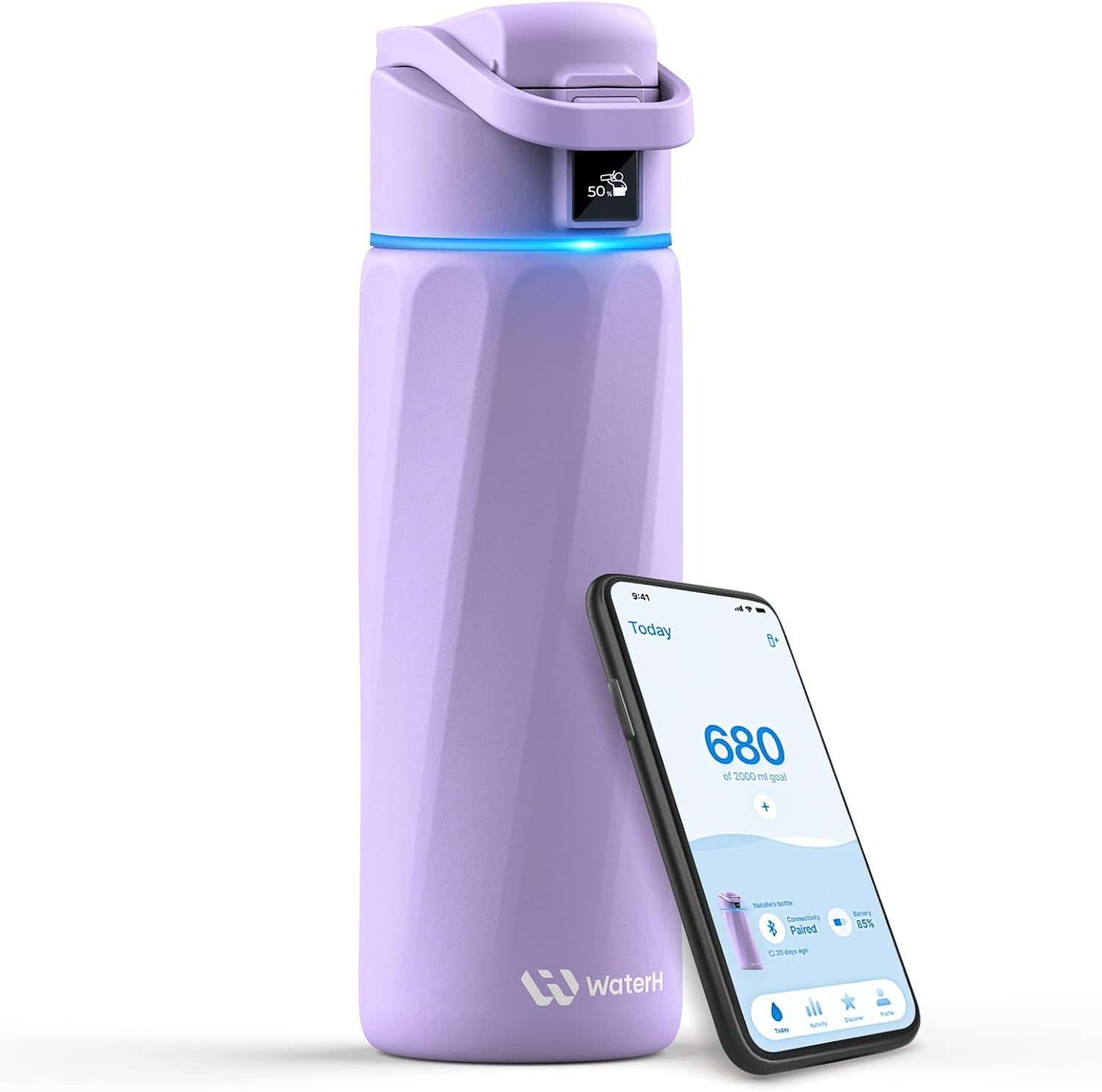
This review covers an Amazon product offered through affiliate links. Gadgifyr may earn a small commission if you buy — at no extra cost to you.

Seller:
Amazon
WATERH BOOST Smart Water Bottle
A vacuum-insulated stainless steel bottle with a smart lid that uses light prompts, a small display, and an app to nudge regular sipping and estimate daily intake for habit-focused hydration.

Explore other Gadget Related Articles:

Do Alexa, Siri, and Digital Agendas Actually Help You Get More Done/Stay Organized?
Voice assistants can reduce “mental load” by capturing tasks hands-free, but privacy trade-offs and over-reliance are real, and productivity gains depend more on how they’re used than on the device itself.

Smart Yoga Mats: Useful Coach or Hype?
Smart yoga mats can provide real-time feedback that may speed up learning for some beginners, but they are not required for yoga’s core benefits.

From Pore Vacuums to Blue Light: What Actually Treats Acne, and What Doesn’t
A science-driven breakdown of how acne develops, whether suction gadgets and blue light therapy can treat or prevent it, and the most effective alternatives for maintaining healthy, clear skin.

From Heat to Electricity: What Really Works for Period Cramp Pain?
Heat, gentle electrical stimulation, and some self-care habits can reduce period cramps for many people, but the best results usually come from combining proven methods rather than relying on one gadget.
1 / 17


About Gadgifyr
We uncover and review gadgets that genuinely make life better — from boosting focus and energy to improving everyday comfort and wellbeing.
No exaggerations, no empty promises. Just real reviews, grounded research, and practical tech that adds value — not noise.
When a gadget makes bold claims, we test the facts, check the science, and give you the clarity you need to decide with confidence.
Join the Gadgifyr Community
Stay ahead of the curve, together.
Get involved with a community that loves smart gadgets, real reviews, and tech that actually improves life.
Subscribe to the Newsletter
No spam. Just smart tech.
Get new reviews, science insights, and hand-picked gadget drops straight to your inbox.
Explore Gadgifyr's Blogs


Gadgifyr
February 11, 2026
-
6 min
Travel Lighter, Miss Less: Top Gadgets For Organized, Comfortable Trips
Five practical travel gadgets that reduce packing stress, prevent common mishaps, and make life on the move feel more controlled.
Category

Gadgifyr
February 25, 2026
-
6 min
Five Thoughtful Gadgets That Make a Room Feel Cooler, Calmer, and More Personal
From floating displays to soft celestial lighting, these gadgets show how small, well-chosen tech can reshape the mood of a room without overwhelming it.
Category

Gadgifyr
February 17, 2026
-
9 min
What Actually Builds Mental Well-Being
What truly improves mental well-being in real life - and how to combine movement, attention training, relationships, and daily structure into a system that actually holds up under stress.
Category


