The Gut-Brain Connection: How the Mind and Microbes Communicate
Emerging science reveals how the digestive system and brain engage in a constant biochemical dialogue that shapes our mood, memory, and health.
Explained
Key Takeaways
The gut-brain axis is a two-way communication system linking digestion and emotion.
Gut microbes produce neurotransmitters that affect mood and cognition.
90% of the body’s serotonin is produced in the gut.
Diet, stress, and antibiotics can alter microbiome balance and mental well-being.
Future treatments may use targeted probiotics or nutrition to support mental health.
Good to Know
The vagus nerve acts as the main communication highway between gut and brain.
The gut’s enteric nervous system can function independently of the brain.
Early signs of Parkinson’s disease often appear in the gut before the brain.
Fermented foods like yogurt, kimchi, and kefir may support beneficial bacteria.
A healthy mind may depend as much on microbial harmony as mental discipline.
For generations, people have spoken of “gut feelings” — the intuition that emotions often start in the stomach. Modern science is proving that this old wisdom is more than metaphor. Beneath the surface of digestion lies a vast communication network known as the gut-brain axis — a two-way signaling system linking the enteric nervous system (the “second brain” in our gut) with the central nervous system in our head.
The story begins with the discovery that the gut has its own neural infrastructure: about 500 million neurons embedded in the intestinal walls, capable of operating independently yet intricately connected to the brain via the vagus nerve. This connection allows constant feedback — signals about hunger, stress, pain, and emotion flow between gut and brain every second.
But the real breakthrough came with the rise of microbiome science. Inside the human gut reside trillions of microbes — bacteria, viruses, fungi, and archaea — collectively outnumbering our own cells. These microbes don’t just digest food; they produce neurotransmitters and metabolites such as serotonin, dopamine, and short-chain fatty acids that influence brain chemistry and behavior. Astonishingly, about 90% of the body’s serotonin is produced in the gut.
Through complex pathways involving the immune system, the vagus nerve, and hormonal signaling, gut microbes can modulate mood, anxiety, cognition, and even decision-making. Studies in both humans and animals have shown that altering gut bacteria — through diet, antibiotics, or probiotics — can change stress responses and depressive symptoms. The gut, once seen as purely mechanical, has emerged as a sensory and emotional organ intertwined with mental health.
In essence, the gut-brain connection reframes the human body not as a hierarchy of organs, but as a dynamic ecosystem where thought and digestion coevolve.

The exploration of the gut-brain axis is transforming medicine, psychology, and nutrition. Researchers are now investigating “psychobiotics” — probiotic strains or dietary compounds that may improve mood and mental clarity by nurturing beneficial gut bacteria. Early trials suggest potential benefits for anxiety, depression, and even neurodegenerative diseases like Parkinson’s, where early symptoms often appear in the digestive system before affecting the brain.
Meanwhile, advances in metabolomics and microbiome sequencing are enabling scientists to map how specific bacterial species produce compounds that influence neural pathways. This could lead to personalized nutrition plans or microbial therapies tailored to an individual’s microbiome profile. For example, adjusting gut flora could one day complement antidepressant treatment or help patients recover from trauma through biological rather than purely psychological routes.
Beyond mental health, the gut-brain connection has implications for immunity, sleep, and aging. Chronic inflammation in the gut can disrupt neural signaling, while poor diet or stress can disturb microbial balance, creating feedback loops that affect energy, mood, and resilience. The emerging message is simple yet profound: mental and physical health share a microbial foundation.
However, translating this science into reliable therapies remains challenging. Each person’s microbiome is unique, and causal links between specific microbes and behaviors are still being uncovered. The field must also navigate ethical issues — from microbial data privacy to the temptation of overselling “miracle” probiotics before evidence catches up.
Still, the growing recognition of the gut-brain dialogue marks a paradigm shift: the realization that the mind begins not only in the brain, but also in the body that feeds it.
January 9, 2026

Final Thoughts
The gut-brain connection reminds us that our sense of self is not confined to our skulls. Our thoughts, moods, and memories arise from an intricate partnership between mind, body, and the microbes that live within us. This perspective challenges centuries of dualistic thinking — suggesting that to understand consciousness, we must also understand digestion.
As science continues to decode this hidden conversation, one truth becomes clear: caring for mental health may start with how we nourish our inner ecosystems. The microbes inside us are not passive passengers — they are active participants in the story of who we are.
Related Books ▼

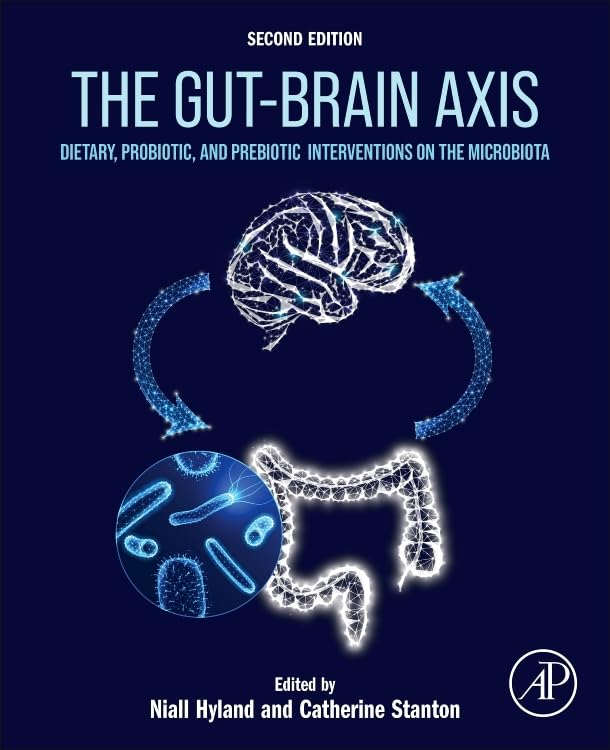

Interesting Articles▼
RELATED SOURCES & INFORMATION ▽
DID YOU GET ANY OF THAT?
Read a summarization of this page's content in question-answer format ▽ (click to open and collapse the content)
What are “psychobiotics,” and how might they influence mental health?
They are specific probiotic strains or dietary compounds designed to support gut bacteria that affect mood, cognition, and stress responses. By altering microbial activity, they may help reduce symptoms of anxiety, depression, or neurodegeneration through biochemical signaling to the brain.
How does microbiome mapping enable more personalized treatments?
Advanced sequencing and metabolomics reveal how individual bacterial species produce compounds that interact with neural pathways. This allows nutrition or microbial therapies to be tailored to a person’s unique microbiome rather than relying on one-size-fits-all interventions.
Why is the gut-brain axis relevant beyond psychology and psychiatry?
Gut inflammation, microbial imbalance, and diet influence immunity, sleep quality, and age-related resilience through shared signaling networks. Disruptions in the gut can create feedback loops that affect energy, cognition, and long-term health.
What limits the current clinical use of microbiome-based therapies?
Causal relationships between specific microbes and behavioral outcomes are still being established, and individual microbiomes vary widely. This complexity makes it difficult to standardize treatments or predict consistent outcomes across populations.
Related Articles:

The Placebo Effect: Power of Belief in Medicine
How the mind’s expectation can trigger real healing — and reshape modern medicine.

The Science of Flow States: The Mind in Full Motion
How focus, challenge, and chemistry converge to create our most productive mental state.

Sleep and Memory: The Brain’s Night Shift
How your sleeping brain sorts, strengthens, and safeguards everything you learn each day.

Neuroplasticity: The Brain That Rebuilds Itself
How experience, learning, and recovery reveal the brain’s lifelong power to adapt and change.

The Power of Habit: How Behavior Becomes Biology
Inside the science of repetition, reward, and the neural loops that shape our daily lives.

Quantum Computing: Thinking in Qubits, Not Bits
A new kind of computer harnesses the strange rules of quantum physics to solve problems that stump even the fastest classical machines.

The Science of Smell and Memory: The Scent of Remembering
Neuroscience is uncovering why a single whiff of perfume or rain can instantly transport us to another time and place.

The Mathematics of Chaos: Finding Order in Disorder
From weather patterns to the beating of the heart, chaos theory reveals that unpredictability is not the absence of order — but a deeper kind of structure.


Tech That Actually Helps.
At Gadgifyr, we focus on one thing — gadgets that truly improve your life. Every product is chosen for its usefulness, quality, and real impact, not marketing claims.
We test, research, and verify what works, translating complex tech into clear insights. So when you read a Gadgifyr review, you know it’s honest, science-backed, and made for real people.
STAY IN THE LOOP
Updates Worth Reading.
Receive clear, honest gadget news — handpicked, tested, and explained. Join a smarter feed for people who want tech that truly matters.
Explore Other Blogs:


Gadgifyr
May 3, 2026
-
9 min
Wearable Health Tracking Demystified: What Your Smartgear Gets Right - and What It Doesn’t
Smartwatches, scales, and rings all promise to decode your body — here's which readings you can actually trust, and which are closer to guesswork.
Category

Gadgifyr
April 3, 2026
-
10 min
Losing Fat, Faster and Smarter: What Actually Works (and What's Next)
The real science behind faster fat loss — from proven diets and exercise to meal prepping and the gadgets worth (and not worth) your money.
Category

Gadgifyr
March 19, 2026
-
8 min
The Science of Getting Things Done: A Practical, Brain-Based Guide to Real Productivity
The real science behind sharper focus — what actually helps your brain concentrate, and which popular focus habits and gadgets don't hold up.
Category
