The Power of Habit: How Behavior Becomes Biology
Inside the science of repetition, reward, and the neural loops that shape our daily lives.
Explained
Key Takeaways
Habits form through a cue–routine–reward loop in the brain.
The basal ganglia automate repeated behaviors over time.
Dopamine reinforces actions that feel rewarding or relieving.
Changing habits works best by keeping cues constant but altering routines.
Sustainable behavior change relies on consistency, not willpower alone.
Good to Know
MIT researchers first mapped the “habit loop” in rodent studies in the 1990s.
The 21-day habit myth is oversimplified — most habits take 60+ days to solidify.
Stress can reactivate old habit circuits, even after long breaks.
Habit stacking — linking a new behavior to an existing one — speeds formation.
Repetition shapes identity: we become what we repeatedly practice.
Every day, nearly half of our actions aren’t conscious decisions — they’re habits. From brushing teeth to checking messages, these automatic routines form the quiet architecture of daily life. But beneath each habit lies a powerful neurological pattern — a feedback loop of cue, routine, and reward — that determines how behaviors take root and why they’re so hard to break.
The concept of habit has been studied for centuries, but its modern scientific foundation emerged in the 1990s, when researchers at MIT’s McGovern Institute for Brain Research mapped how habits form in the brain. They discovered that the basal ganglia, a deep structure involved in motor control and reward processing, plays a central role. As a behavior becomes habitual, brain activity shifts from the prefrontal cortex (responsible for decision-making) to these deeper, more automatic circuits.
In essence, habits are energy-saving shortcuts. The brain “chunks” sequences of actions into a single automatic routine, freeing up attention for other tasks. This efficiency explains why habits persist even when motivation fades — once the pattern is wired, it runs with little conscious input.
Neuroscientist Ann Graybiel, who pioneered this research, showed that at the start and end of a routine, neurons in the basal ganglia spike with activity, while the middle phases run silently. This “bookending” pattern marks when the brain decides to start or stop a habit. The reward — a dopamine-driven burst of pleasure or relief — seals the loop, reinforcing the cue that triggered it.
This mechanism doesn’t distinguish between good and bad habits. Whether it’s morning exercise or endless scrolling, the same circuitry applies. Repetition plus reward equals wiring — and the brain’s plasticity ensures that, over time, routine becomes identity.

Today, the science of habit formation is shaping everything from healthcare to technology. Psychologists and behavior designers use habit-based interventions to improve diet, exercise, medication adherence, and productivity. Apps like Duolingo or Fitbit rely on micro-rewards and progress cues, echoing the brain’s own dopamine cycles to encourage consistent behavior.
In therapy, understanding the habit loop helps treat addiction and anxiety. Cognitive-behavioral approaches now focus less on eliminating habits and more on replacing them — keeping the same cue and reward but changing the routine. This “habit substitution” method leverages the brain’s natural wiring rather than fighting it.
Emerging research explores how neurofeedback, mindfulness, and even psychedelics might help disrupt harmful habit loops by temporarily loosening rigid neural pathways. At the same time, AI-driven behavior analysis is helping scientists map how long it truly takes to build or break a habit — findings that challenge the popular “21-day rule,” suggesting instead that complex habits may take months of reinforcement.
The future of habit science may lie not in control, but in designing environments that align with our biology — workplaces, homes, and digital tools that make the right behaviors the easiest ones to repeat. When we understand how the brain builds patterns, we can begin to shape our own defaults — one small cue at a time.
December 15, 2025

Final Thoughts
The study of habit formation reveals a humbling truth: much of what we call willpower is really well-designed repetition. The brain is not built to resist endlessly; it’s built to automate wisely. Habits are how the mind conserves energy, but they’re also how character is built — one neural loop at a time.
To change behavior, we don’t need to reinvent ourselves overnight. We need to adjust the loops — the cues, rewards, and rhythms that guide us quietly each day. In that sense, the science of habit isn’t about control at all; it’s about understanding how change truly takes hold — slowly, invisibly, and for good.
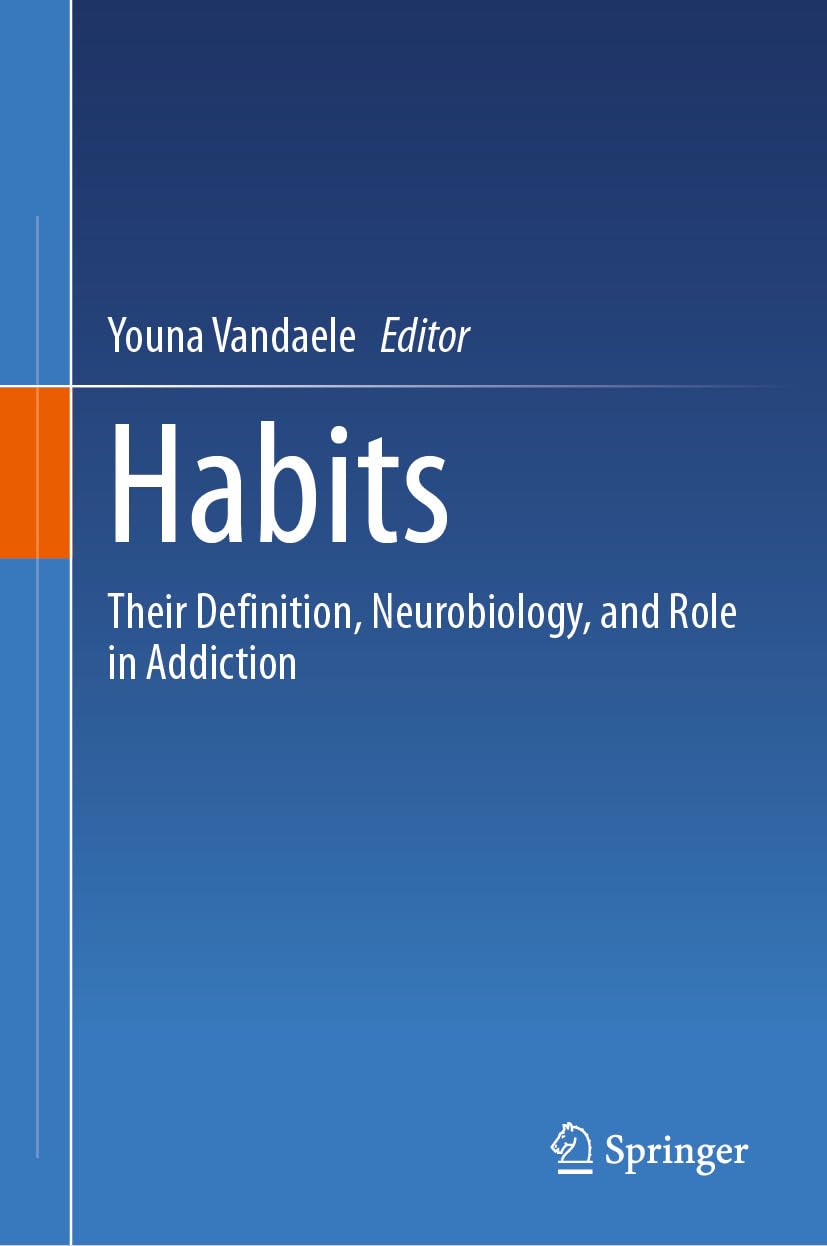
Related Books ▼



Interesting Articles▼
RELATED SOURCES & INFORMATION ▽
DID YOU GET ANY OF THAT?
Read a summarization of this page's content in question-answer format ▽ (click to open and collapse the content)
How do modern apps use brain chemistry to reinforce habits?
They mirror dopamine-based reward cycles through micro-rewards, progress indicators, and streaks that make repetition feel satisfying. By aligning with the brain’s motivation system, these tools lower the effort required to sustain behavior over time.
Why does therapy focus on replacing habits rather than eliminating them?
Because habits are built around stable cue–routine–reward loops that are difficult to erase. Substituting a healthier routine while preserving the same trigger and reward leverages existing neural pathways instead of working against them.
What role might neurofeedback and mindfulness play in breaking harmful patterns?
They can temporarily loosen rigid neural activity, making entrenched responses more flexible and open to change. This creates a window in which maladaptive routines can be interrupted and redirected.
Why is the “21-day rule” considered misleading in habit science?
Research shows that complex behaviors often require months of consistent reinforcement before becoming automatic. Habit formation varies widely depending on difficulty, context, and emotional investment.
How could future environments make positive habits easier to maintain?
By structuring physical and digital spaces so desired actions require less effort than unhealthy alternatives. When surroundings align with biological tendencies, repetition becomes natural rather than forced.
Related Articles:

The Placebo Effect: Power of Belief in Medicine
How the mind’s expectation can trigger real healing — and reshape modern medicine.

The Science of Flow States: The Mind in Full Motion
How focus, challenge, and chemistry converge to create our most productive mental state.

Sleep and Memory: The Brain’s Night Shift
How your sleeping brain sorts, strengthens, and safeguards everything you learn each day.

Neuroplasticity: The Brain That Rebuilds Itself
How experience, learning, and recovery reveal the brain’s lifelong power to adapt and change.

The Gut-Brain Connection: How the Mind and Microbes Communicate
Emerging science reveals how the digestive system and brain engage in a constant biochemical dialogue that shapes our mood, memory, and health.

Quantum Computing: Thinking in Qubits, Not Bits
A new kind of computer harnesses the strange rules of quantum physics to solve problems that stump even the fastest classical machines.

The Science of Smell and Memory: The Scent of Remembering
Neuroscience is uncovering why a single whiff of perfume or rain can instantly transport us to another time and place.

The Mathematics of Chaos: Finding Order in Disorder
From weather patterns to the beating of the heart, chaos theory reveals that unpredictability is not the absence of order — but a deeper kind of structure.


Tech That Actually Helps.
At Gadgifyr, we focus on one thing — gadgets that truly improve your life. Every product is chosen for its usefulness, quality, and real impact, not marketing claims.
We test, research, and verify what works, translating complex tech into clear insights. So when you read a Gadgifyr review, you know it’s honest, science-backed, and made for real people.
STAY IN THE LOOP
Updates Worth Reading.
Receive clear, honest gadget news — handpicked, tested, and explained. Join a smarter feed for people who want tech that truly matters.
Explore Other Blogs:


Gadgifyr
January 12, 2026
-
15 min read
Hair Loss Myths That Are Wasting Your Money (and What Actually Works)
A science-based look at what actually works for hair loss — from minoxidil and microneedling to natural oils, DHT-blocking shampoos, and biotin — and what's mostly marketing.
Category

Gadgifyr
January 6, 2026
-
10 min read
The Science of Falling Asleep: What Actually Helps, From Warm Baths to Weighted Blankets
A science-backed breakdown of how sleep actually works and which popular sleep aids, from weighted blankets to sound machines, genuinely help.
Category

Gadgifyr
April 18, 2026
-
11 min
Clean Mouth, Clear Science: What Actually Improves Oral Hygiene
The real evidence behind brushing, flossing, mouthwash, and bad breath — and which habits are actually worth building into your routine.
Category
