
Plan Your Life, Clear Your Mind: How Planning and Journaling Boost Focus and Happiness
Organizing life on paper (or in an app) can change how the brain handles stress, distractions, and decisions. This article explains what research suggests about planning and journaling for focus, productivity, and happiness—and how to do it in a practical, realistic way.
Real - World Performance
⚙️ Reduces mental clutter by moving tasks and worries into a trusted external list (less “background stress”).
⚙️ Improves follow-through when using “If–Then” plans that automate actions in common situations.
⚙️ Protects focus by lowering the number of decisions needed during the day (fewer “should I?” moments).
⚙️ Lowers procrastination risk by turning big goals into clear next actions you can start immediately.
⚙️ Supports emotional balance when journalling helps process stressful events instead of bottling them up.
⚙️ Improves consistency over time through short daily/weekly reviews that keep priorities realistic.
⚙️ Helps resist distractions by anticipating temptation moments (e.g., phone cues) and pre-deciding responses.
Good to Know
🔍 Self-control can weaken after repeated effort, so planning earlier can protect later performance.
🔍 “If–Then” plans work best when the cue is specific (time/place/situation) and the action is small.
🔍 Journalling helps most when it is honest and concrete, not just repeating worries.
🔍 A system you don’t review becomes noise, so a short weekly check keeps it trustworthy.
🔍 Overly detailed schedules can increase stress, especially when life is unpredictable.
🔍 Tracking distractions can reveal triggers, like boredom, fatigue, or social media “autopilot.”
🔍 Writing can substitute for hard conversations at first, but social support still matters when available.
🔍 Productivity improves when plans reduce decisions, not when they create more planning work.
Add a Title
Add paragraph text. Click “Edit Text” to update the font, size and more. To change and reuse text themes, go to Site Styles.
Add a Title
Add paragraph text. Click “Edit Text” to update the font, size and more. To change and reuse text themes, go to Site Styles.
Add a Title
Add paragraph text. Click “Edit Text” to update the font, size and more. To change and reuse text themes, go to Site Styles.
Add a Title
Add paragraph text. Click “Edit Text” to update the font, size and more. To change and reuse text themes, go to Site Styles.
Add paragraph text. Click “Edit Text” to update the font, size and more. To change and reuse text themes, go to Site Styles.
Add paragraph text. Click “Edit Text” to update the font, size and more. To change and reuse text themes, go to Site Styles.

Related Books ▼


Master Your Focus: A Practical Guide to Stop Chasing the Next Thing and Focus on What Matters Until It's Done
Thibaut Meurisse

Stop Overthinking: 23 Techniques to Relieve Stress, Stop Negative Spirals, Declutter Your Mind, and Focus on the Present
Nick Trenton


The Consumer Takeaway
Planning and journalling are simple tools with surprisingly deep effects on attention and well-being. The research points to a common theme: the brain performs better when it does not have to constantly hold, refresh, and re-decide everything.
Good planning reduces decision fatigue, supports self-control when energy is low, and helps translate goals into actions through clear cues and responses. Journalling adds a complementary benefit by helping people process emotions, organize meaning after stress, and reduce the mental drag of unspoken worries.
The most reliable gains come from practical methods: capture tasks quickly, convert goals into next actions, and use If–Then plans for moments where distraction is likely. The biggest risk is turning organization into perfectionism—a plan should reduce stress, not increase it.
When used lightly but consistently, planning and journalling become a form of mental hygiene: they protect focus today while building a calmer, more intentional life over time.

Evidence-Based Reliability Score
Strong support for planning mechanisms and expressive writing benefits, though “happiness” effects vary by person and method.
83%
Baumeister, R. F., & Vohs, K. D. (2007). Self-regulation, ego depletion, and motivation. Social and Personality Psychology Compass, 1(1), 115–128. https://doi.org/10.1111/j.1751-9004.2007.00001.x
Gollwitzer, P. M. (1999). Implementation intentions: Strong effects of simple plans. American Psychologist, 54(7), 493–503. https://doi.org/10.1037/0003-066X.54.7.493
LeBlanc, S., Bauer, S., & Mohiyeddin, C. (2014). Expressive writing and health. In C. Mohiyeddini (Ed.), Advances in psychological research on health behavior (pp. 23–38). Nova Science Publishers.
Smyth, J. M., Pennebaker, J. W., & Arigo, D. (2012). What are the health effects of disclosure? In A. Baum, T. A. Revenson, & J. Singer (Eds.), Handbook of health psychology (2nd ed., pp. 175–191). Psychology Press.
Hofmann, W., Vohs, K. D., & Baumeister, R. F. (2012). What people desire, feel conflicted about, and try to resist in everyday life. Psychological Science, 23(6), 582–588. https://doi.org/10.1177/0956797612437426
Heylighen, F., & Vidal, C. (2008). Getting Things Done: The science behind stress-free productivity. Long Range Planning. https://doi.org/10.1016/j.lrp.2008.09.004
DID YOU GET ANY OF THAT?
Read a summarization of this page's content in question-answer format ▽ (click to open and collapse the content)
How can planning improve mental focus in daily life?
Planning reduces how often the brain must re-check and re-decide what to do next, which saves attention for the task in front of you. It also helps when self-control is tired, because the next step is already chosen rather than negotiated in the moment.
What’s the difference between “goals” and “implementation intentions”?
Goals say what you want (like “exercise more”), while implementation intentions specify exact triggers and actions (like “If it’s 7:00 on Monday, I will put on my shoes and walk”). Research suggests this cue-action link makes follow-through more automatic, especially when distractions appear.
Does journalling actually improve happiness, or just venting?
Expressive writing research suggests that writing about thoughts and feelings around stressful events can support psychological well-being and health, likely by helping people process and organize experience. Venting without structure can keep stress active, so it works better when the writing aims for clarity, meaning, or perspective.
Why does organization help productivity when motivation is low?
When motivation dips, people rely more on habits and environmental cues, and less on willpower. A clear plan and external system reduce the need to “push” mentally, which can protect performance when self-control resources are strained.
What’s a simple routine that balances planning and flexibility?
A practical approach is: a quick daily capture list, a short morning pick of 1–3 priorities, and a weekly review to clean up and re-choose what matters. This supports action without locking you into an unrealistic schedule that creates guilt when life changes.
Gadgets Connected to These Scientific Insights
The gadgets shown here each rely on the science discussed in this article — sometimes directly, sometimes through a clever variation of the same underlying technology.
For the best experience, we recommend reading the summary first. It gives you a quick, clear understanding of how the technology works and helps you decide whether these gadgets match what you’re looking for.
This review covers an Amazon product offered through affiliate links. Gadgifyr may earn a small commission if you buy — at no extra cost to you.

Seller:
Amazon
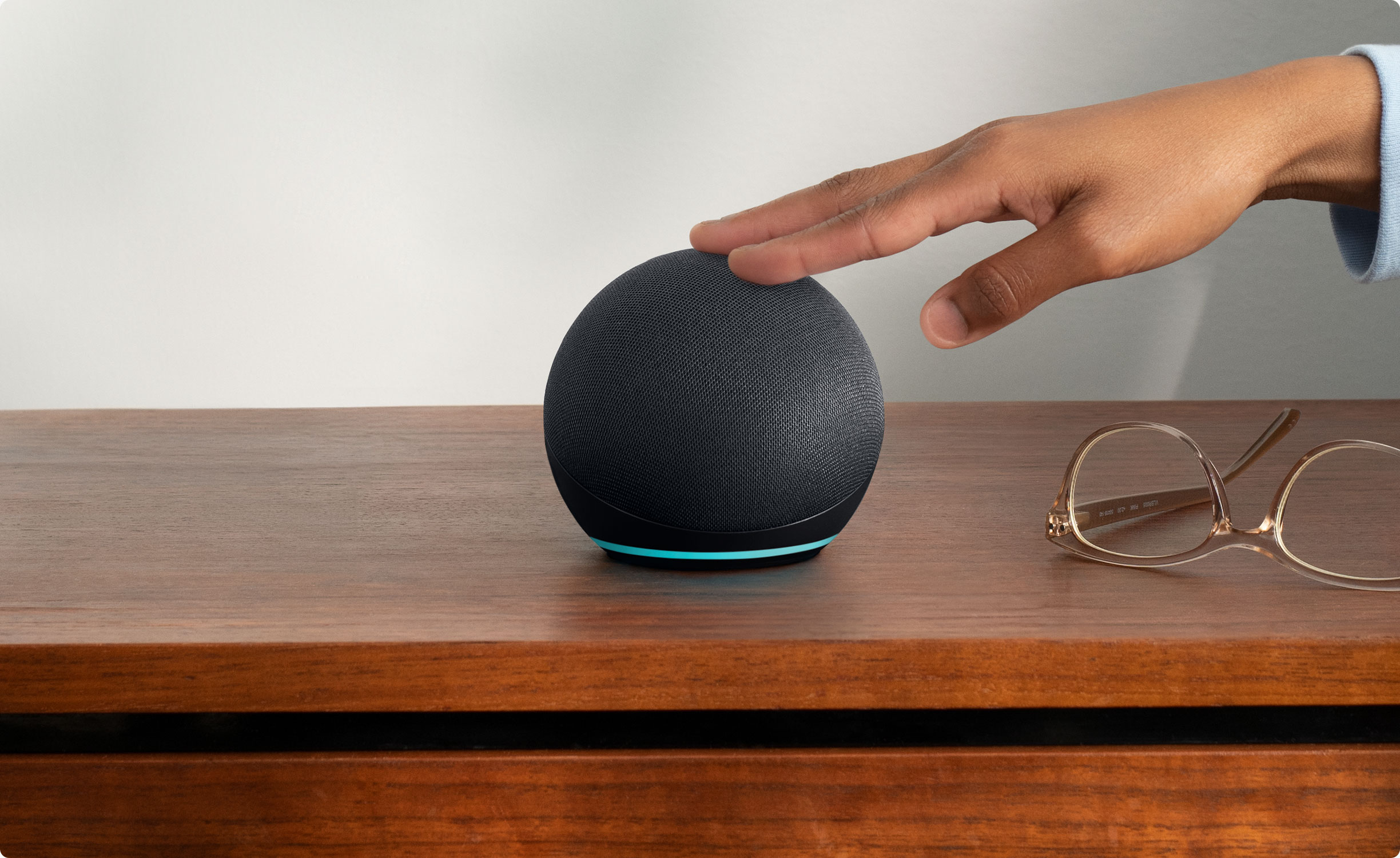
Amazon Echo Dot (Newest Model) with Alexa
A compact smart speaker designed for everyday voice control, room-friendly audio, and routine-based smart home support, with optional access to Alexa+ features where available.

This review covers an Amazon product offered through affiliate links. Gadgifyr may earn a small commission if you buy — at no extra cost to you.
Seller:
Amazon
Mindsight Timed Lock Box
Freestanding timed lock box with multiple commitment modes for reducing screen time, cravings, and other repeat distractions through simple physical separation.
Explore other Gadget Related Articles:

Do Alexa, Siri, and Digital Agendas Actually Help You Get More Done/Stay Organized?
Voice assistants can reduce “mental load” by capturing tasks hands-free, but privacy trade-offs and over-reliance are real, and productivity gains depend more on how they’re used than on the device itself.

Can Interactive Toys and Pet Cameras Really Improve Pet Happiness and Behavior?
Interactive toys and remote pet cameras can reduce boredom and stress for some pets, but they work best as part of a bigger “not-alone” plan that includes exercise, routine, and real social contact.
Can Fixing Your Posture Prevent Long-Term Back and Joint Pain?
An evidence-based look at the consequences of bad posture, the importance of correcting it early, and which correction methods are proven to work.

1 / 10


About Gadgifyr
We uncover and review gadgets that genuinely make life better — from boosting focus and energy to improving everyday comfort and wellbeing.
No exaggerations, no empty promises. Just real reviews, grounded research, and practical tech that adds value — not noise.
When a gadget makes bold claims, we test the facts, check the science, and give you the clarity you need to decide with confidence.
Join the Gadgifyr Community
Stay ahead of the curve, together.
Get involved with a community that loves smart gadgets, real reviews, and tech that actually improves life.
Subscribe to the Newsletter
No spam. Just smart tech.
Get new reviews, science insights, and hand-picked gadget drops straight to your inbox.
Explore Gadgifyr's Blogs


Gadgifyr
April 18, 2026
-
7 min
Clean Mouth, Clear Science: What Actually Improves Oral Hygiene
A science-guided oral care routine is built on consistent plaque control, smart fluoride use, and lifestyle choices that reduce acid exposure - while avoiding overbrushing, unnecessary abrasion, and “whitening” shortcuts that can undermine enamel protection.
Category

Gadgifyr
May 18, 2026
-
6 min
Intermittent Fasting: What It Does, What It Doesn’t, and How to Use It Safely
A practical, evidence-grounded guide to what intermittent fasting is, how it affects metabolism and appetite, where the research is strongest, what is still uncertain, and how to implement it.
Category

Gadgifyr
May 28, 2026
-
7 min
Cook Faster With Less Mess: 5 Genius Kitchen Tools That Upgrade Workflow
Want cooking to feel smoother day-to-day? These five tools improve prep speed, reduce mess, and keep ingredients moving—without turning the kitchen into a gadget collection.
Category

Gadgifyr
May 3, 2026
-
7 min
Wearable Health Tracking Demystified: What Your Smartgear Gets Right - and What It Doesn’t
An accessible exploration of how consumer wearables sense the body, which measurements hold practical value, where accuracy weakens, and how upcoming technologies could expand their medical relevance.
Category


