
The Impact of Workspace Organization on Focus and Performance
Workspaces affect how attention is used. Brain research shows that when many things compete in the visual field, the mind must work harder to focus. Studies on clutter and office environments also link mess and distraction with higher exhaustion and stress, while orderly spaces can nudge people toward more conventional, goal-driven behavior.
Real - World Performance
⚙️ Less clutter can lower the “mental load” of filtering distractions during long study or work sessions.
⚙️ Organized spaces tend to support goal-focused choices and routine tasks like planning, writing, and admin work.
⚙️ Clutter is linked with higher stress and emotional exhaustion, which can drain productivity over time.
⚙️ Managing noise matters too: typical office noise can trigger a body stress response and reduce motivation.
⚙️ A “two-mode” setup can help: tidy for deep work, slightly flexible for brainstorming and creative work.
Good to Know
🔍 When many items are in view, the brain must work harder to ignore distractions and keep attention on the goal.
🔍 Orderly rooms have been linked to more conventional, goal-driven choices, while disorderly rooms can boost creativity in some tasks.
🔍 In a worker study, higher “office clutter impact” predicted more stress and more emotional exhaustion.
🔍 Noise can be a hidden stressor: open-office noise increased a stress-related body marker even when people didn’t report higher stress.
🔍 A cluttered space may not ruin performance instantly, but it can make focus feel harder and work feel more tiring.
🔍 “Clean desk” policies often aim to reduce distraction load, but comfort and personal work style still matter.
🔍 Some people focus better with visual simplicity; others prefer “organized piles.” The key is reducing unwanted distraction.
🔍 If focus is the goal, visual clutter + noise is a common double-hit: too much to see and too much to hear.
Add a Title
Add paragraph text. Click “Edit Text” to update the font, size and more. To change and reuse text themes, go to Site Styles.
Add a Title
Add paragraph text. Click “Edit Text” to update the font, size and more. To change and reuse text themes, go to Site Styles.
Add a Title
Add paragraph text. Click “Edit Text” to update the font, size and more. To change and reuse text themes, go to Site Styles.
Add a Title
Add paragraph text. Click “Edit Text” to update the font, size and more. To change and reuse text themes, go to Site Styles.
Add paragraph text. Click “Edit Text” to update the font, size and more. To change and reuse text themes, go to Site Styles.
Add paragraph text. Click “Edit Text” to update the font, size and more. To change and reuse text themes, go to Site Styles.

Related Books ▼


Master Your Focus: A Practical Guide to Stop Chasing the Next Thing and Focus on What Matters Until It's Done
Thibaut Meurisse

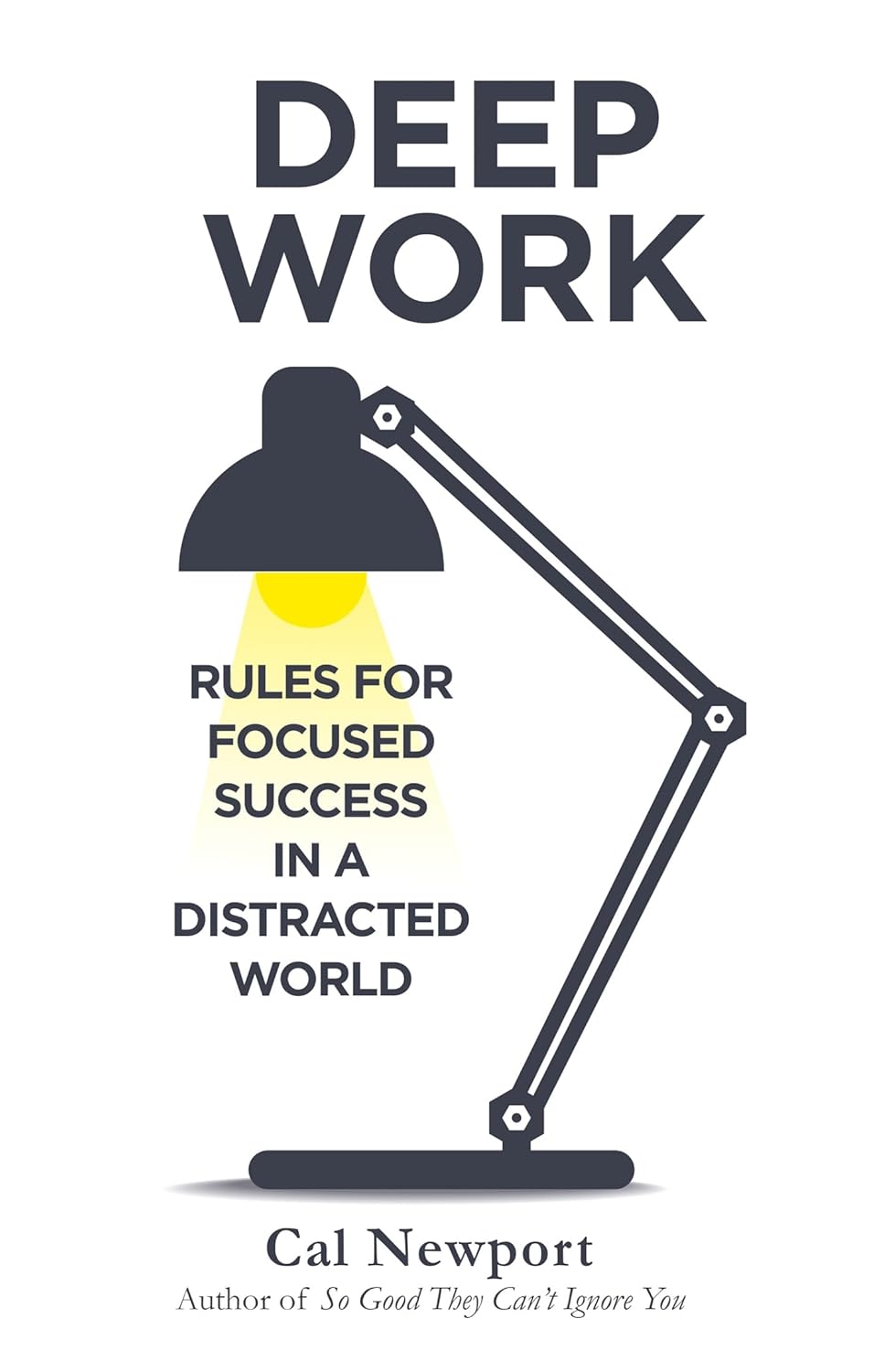

Stop Overthinking: 23 Techniques to Relieve Stress, Stop Negative Spirals, Declutter Your Mind, and Focus on the Present
Nick Trenton


The Consumer Takeaway
An organized workspace helps because it reduces competition for your attention. When fewer objects and papers are in view, the brain spends less effort filtering distractions and can stay on-task more easily. Research also links clutter impact with higher stress and emotional exhaustion, which can quietly drain productivity over time. Order seems especially helpful for structured work like studying, writing, planning, and admin tasks.
That said, some disorder can support creativity, so the best setup depends on the goal. A practical approach is to keep a “focus zone” clear (only what you need for the current task) and store everything else out of sight. Pair that with noise control when possible, since typical office noise can trigger stress responses and reduce motivation.

Evidence-Based Reliability Score
Strong attention science plus controlled environment studies; clutter evidence often relies on self-report and varies by job and setting.
88%
Evans, G. W., & Johnson, D. (2000). Stress and open-office noise. Journal of Applied Psychology, 85(5), 779–783. https://doi.org/10.1037/0021-9010.85.5.779
McMains, S., & Kastner, S. (2011). Interactions of top-down and bottom-up mechanisms in human visual cortex. Journal of Neuroscience, 31(2), 587–597. https://doi.org/10.1523/JNEUROSCI.3766-10.2011
Sander, E. J., Caza, A., & Jordan, P. J. (2019). Psychological perceptions matter: Developing the reactions to the physical work environment scale. Building and Environment, 148, 338–347. https://doi.org/10.1016/j.buildenv.2018.11.020
Vohs, K. D., Redden, J. P., & Rahinel, R. (2013). Physical order produces healthy choices, generosity, and conventionality, whereas disorder produces creativity. Psychological Science, 24(9), 1860–1867. https://doi.org/10.1177/0956797613480186
Dao, T. N., & Ferrari, J. R. (2020). The negative side of office clutter: Impact on work-related well-being and job satisfaction. North American Journal of Psychology, 22(3), 397–410.
DID YOU GET ANY OF THAT?
Read a summarization of this page's content in question-answer format ▽ (click to open and collapse the content)
Does a tidy desk automatically mean better productivity?
Not automatically, but it can reduce distractions and make focus easier for many tasks. The biggest benefit tends to show up in work that needs sustained attention.
Can a messy workspace ever be helpful?
Yes. A controlled study found disorderly rooms increased creativity in one experiment. Mess can support idea generation when novelty matters more than precision.
Why does clutter feel stressful even if it’s “my own stuff”?
Because the brain still has to filter it. More items in view can increase the effort needed to keep attention on the goal, which can feel tiring over time.
Is noise as important as visual clutter?
Often, yes. Typical open-office noise increased a stress-related body signal and reduced motivation in a controlled study, even without higher self-reported stress.
What’s a simple way to set up a better study space?
Keep only the materials for the current task on the desk and put everything else out of sight. If possible, reduce noise with quieter zones or simple sound control.
Gadgets Connected to These Scientific Insights
The gadgets shown here each rely on the science discussed in this article — sometimes directly, sometimes through a clever variation of the same underlying technology.
For the best experience, we recommend reading the summary first. It gives you a quick, clear understanding of how the technology works and helps you decide whether these gadgets match what you’re looking for.
This review covers an Amazon product offered through affiliate links. Gadgifyr may earn a small commission if you buy — at no extra cost to you.

Seller:
Amazon
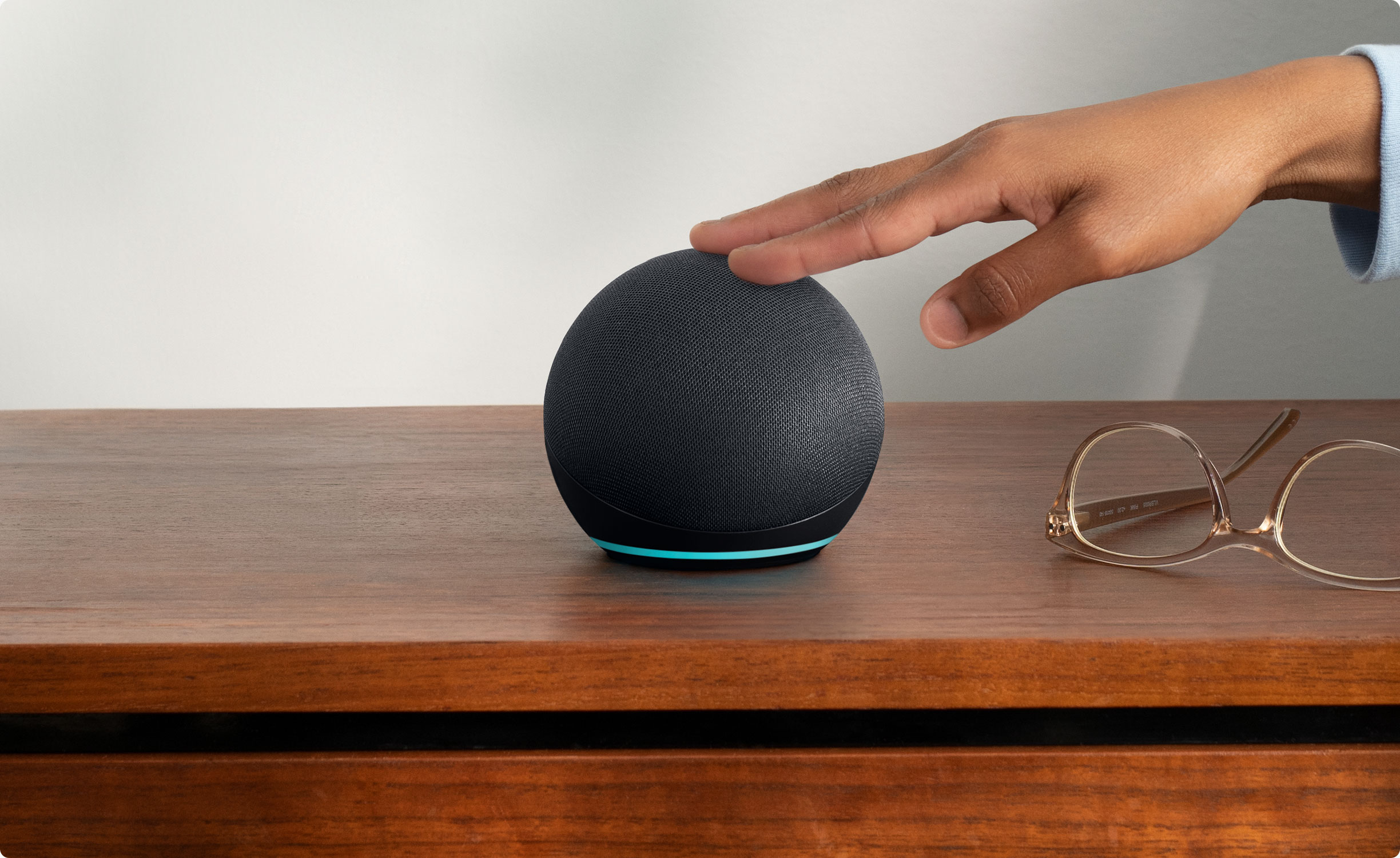
Amazon Echo Dot (Newest Model) with Alexa
A compact smart speaker designed for everyday voice control, room-friendly audio, and routine-based smart home support, with optional access to Alexa+ features where available.
Explore other Gadget Related Articles:

Do Alexa, Siri, and Digital Agendas Actually Help You Get More Done/Stay Organized?
Voice assistants can reduce “mental load” by capturing tasks hands-free, but privacy trade-offs and over-reliance are real, and productivity gains depend more on how they’re used than on the device itself.

Can Fixing Your Posture Prevent Long-Term Back and Joint Pain?
An evidence-based look at the consequences of bad posture, the importance of correcting it early, and which correction methods are proven to work.

Do Calming Sounds Actually Help You Focus?
Silence can be best for complex thinking, but gentle background sounds—especially nature sounds—can help attention and stress in some people and tasks.

1 / 5


About Gadgifyr
We uncover and review gadgets that genuinely make life better — from boosting focus and energy to improving everyday comfort and wellbeing.
No exaggerations, no empty promises. Just real reviews, grounded research, and practical tech that adds value — not noise.
When a gadget makes bold claims, we test the facts, check the science, and give you the clarity you need to decide with confidence.
Join the Gadgifyr Community
Stay ahead of the curve, together.
Get involved with a community that loves smart gadgets, real reviews, and tech that actually improves life.
Subscribe to the Newsletter
No spam. Just smart tech.
Get new reviews, science insights, and hand-picked gadget drops straight to your inbox.
Explore Gadgifyr's Blogs


Gadgifyr
April 18, 2026
-
7 min
Clean Mouth, Clear Science: What Actually Improves Oral Hygiene
A science-guided oral care routine is built on consistent plaque control, smart fluoride use, and lifestyle choices that reduce acid exposure - while avoiding overbrushing, unnecessary abrasion, and “whitening” shortcuts that can undermine enamel protection.
Category

Gadgifyr
May 18, 2026
-
6 min
Intermittent Fasting: What It Does, What It Doesn’t, and How to Use It Safely
A practical, evidence-grounded guide to what intermittent fasting is, how it affects metabolism and appetite, where the research is strongest, what is still uncertain, and how to implement it.
Category

Gadgifyr
May 3, 2026
-
7 min
Wearable Health Tracking Demystified: What Your Smartgear Gets Right - and What It Doesn’t
An accessible exploration of how consumer wearables sense the body, which measurements hold practical value, where accuracy weakens, and how upcoming technologies could expand their medical relevance.
Category


