CRISPR: Rewriting the Code of Life
How a bacterial defense system became the world’s most powerful tool for editing genes — and shaping the future of biology.
New Tech
Possible Implications for Humanity
Offers cures for previously untreatable genetic diseases.
Enables climate-resilient, high-yield agricultural crops.
Advances synthetic biology for sustainable energy and materials.
Expands understanding of evolution, heredity, and gene regulation.
Could reshape medicine through personalized, gene-based therapies.
Risks or Challenges
Ethical dilemmas around human embryo and germline editing.
Unintended off-target mutations and genetic side effects.
Potential misuse in enhancement or bioweapon research.
Unequal access to therapies could widen global health gaps.
Regulatory uncertainty as technology outpaces policy and ethics.
In 2012, a quiet revolution began in a laboratory. Scientists discovered that a molecular system used by bacteria to defend against viruses could be repurposed to edit DNA with unprecedented precision. That system — CRISPR-Cas9 — has since transformed genetics, medicine, and agriculture, marking one of the most significant scientific breakthroughs of the 21st century.
CRISPR, short for Clustered Regularly Interspaced Short Palindromic Repeats, was first observed in bacterial genomes in the 1980s, though its purpose wasn’t understood until later. In nature, it acts as an immune memory, storing snippets of viral DNA so bacteria can recognize and destroy future invaders. Scientists realized they could harness this mechanism for something extraordinary: to cut and modify DNA sequences at will.
The system operates like a programmable pair of molecular scissors. The Cas9 enzyme cuts DNA at a location guided by a short strand of RNA — the “address label” that directs it to a precise sequence in the genome. Once the cut is made, the cell’s natural repair machinery takes over, allowing researchers to delete, insert, or replace genes with remarkable accuracy.
This simplicity, speed, and affordability revolutionized biotechnology almost overnight. Before CRISPR, gene editing was slow, costly, and limited to specialized labs. Now, even small research teams can edit organisms ranging from yeast to mammals. Scientists are using it to correct genetic diseases, engineer disease-resistant crops, and explore fundamental questions about evolution and biology.
But with this power comes profound responsibility. For the first time, humanity can edit the code of life itself — not just in individuals, but potentially in future generations. CRISPR has made the possible deeply personal.

The next frontier of CRISPR research extends far beyond its initial form. New variants like base editors and prime editors allow scientists to make even finer adjustments — changing single DNA letters without cutting the double helix. These tools promise safer, more precise treatments for conditions like sickle-cell anemia, cystic fibrosis, and muscular dystrophy. Early clinical trials have already cured some patients of previously untreatable diseases, marking a historic milestone for genetic medicine.
In agriculture, CRISPR is creating crops that resist drought, pests, and disease, while reducing the need for chemical pesticides. It’s also being used to engineer microbes that produce biofuels or clean up pollution — an expansion of biotechnology from medicine into environmental sustainability.
Yet the technology raises deep ethical and societal questions. Editing human embryos — so-called germline editing — could eliminate inherited disorders, but also alter traits passed to future generations. Most scientists agree that this frontier must remain closed until global ethical frameworks and long-term safety data are in place. The specter of “designer babies” highlights the thin line between healing and enhancement, between medicine and manipulation.
As regulation lags behind innovation, the coming years will test humanity’s maturity in managing genetic power. International collaborations are forming to balance progress with caution, transparency, and equity — ensuring that CRISPR benefits the many, not the few.
January 2, 2026

Final Thoughts
CRISPR has given humanity a tool once confined to myth — the power to rewrite life’s blueprint. It symbolizes both the brilliance and the fragility of scientific ambition. Used wisely, it could end hereditary diseases, feed billions, and restore ecosystems. Used recklessly, it could deepen inequality or unleash irreversible changes in the human genome.
The story of CRISPR is, ultimately, a mirror for our species: a measure of how we choose to wield knowledge that touches the essence of what we are. As we stand on the threshold of genetic mastery, one truth remains timeless — wisdom must evolve as fast as technology.
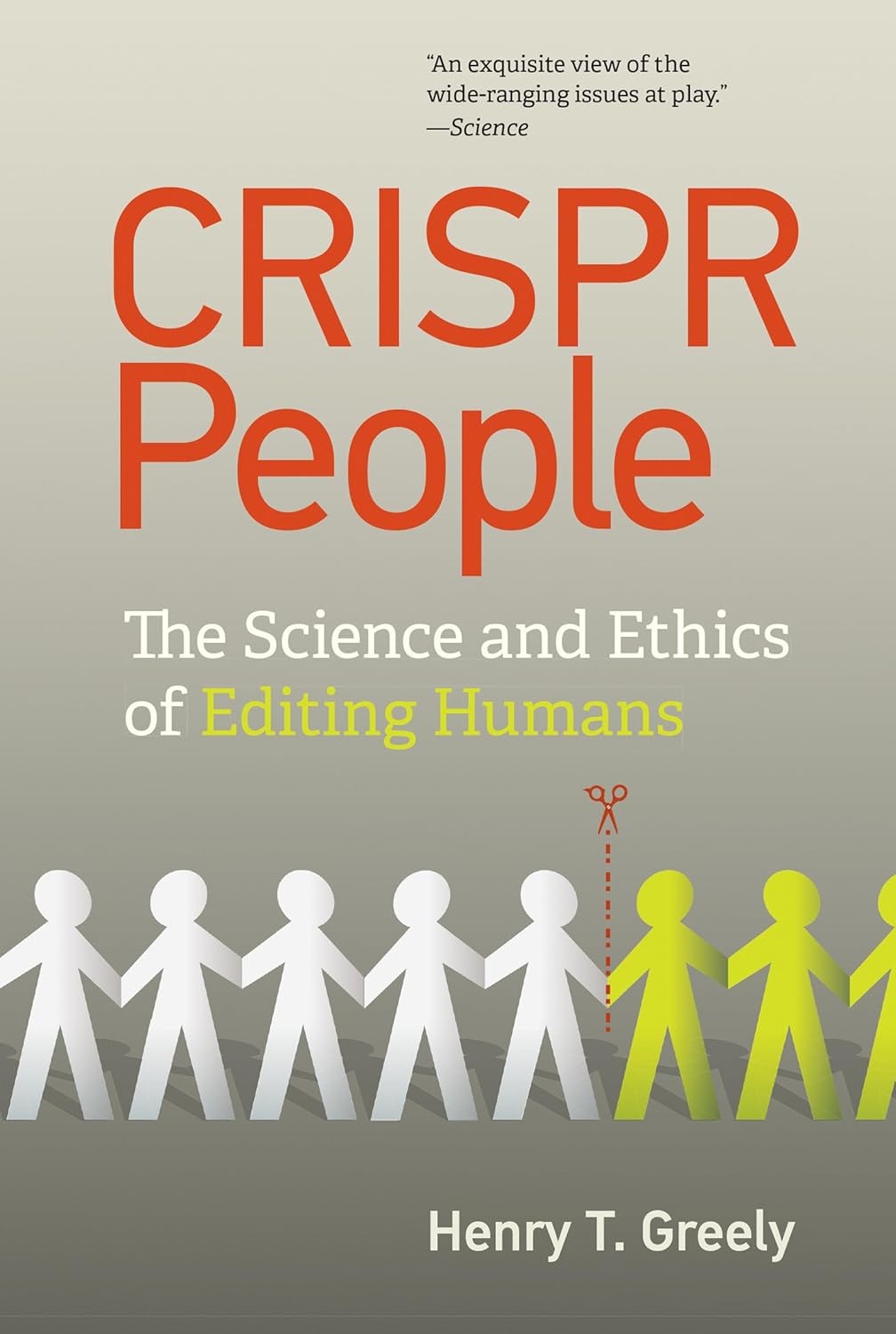
Related Books ▼


Interesting Articles▼
RELATED SOURCES & INFORMATION ▽
DID YOU GET ANY OF THAT?
Read a summarization of this page's content in question-answer format ▽ (click to open and collapse the content)
How do new CRISPR tools like base editing and prime editing improve genetic precision?
They allow scientists to change individual DNA letters without cutting the double helix, reducing the risk of unintended damage. This makes gene correction more controlled and potentially safer for clinical use.
Which medical conditions could benefit most from next-generation CRISPR therapies?
Inherited disorders caused by single-gene mutations—such as sickle-cell anemia, cystic fibrosis, and muscular dystrophy—are especially promising targets. Early trials have already shown cures in patients who previously had no effective treatment options.
How is CRISPR expanding beyond medicine into environmental and agricultural applications?
In agriculture, it enables crops that resist drought, pests, and disease with fewer chemical inputs. In environmental biotechnology, engineered microbes are being developed to produce biofuels or break down pollutants, linking genetic tools to sustainability goals.
Why is germline editing considered ethically sensitive?
Because changes made to embryos would be inherited by future generations, affecting not just individuals but entire lineages. This raises concerns about safety, consent, inequality, and the potential shift from treating disease to enhancing human traits.
What will determine whether CRISPR benefits society broadly rather than selectively?
Strong international regulation, transparent research practices, and equitable access to therapies will be essential. Without these safeguards, the technology risks widening social divides instead of fulfilling its promise as a universal medical and environmental tool.
Related Articles:

Engineering Life: How Modified DNA Makes New Materials
Scientists are redesigning organisms to produce proteins, medicines, and smart chemicals

DNA Data Storage: Can Biology Hold Our Digital Future?
Encoding data into genetic molecules could redefine how humanity stores information

Adaptive Smart Fabrics That Regulate Body Heat
Textiles that sense temperature and activity could redefine comfort and energy use

Wave-Powered Desalination: Turning Motion into Fresh Water
Ocean waves could drive membrane systems that deliver clean water to dry regions

Autonomous Reforestation Drones: Rebuilding Nature from the Air
Smart aerial systems are learning to plant trees where humans can’t safely or quickly go

Nanocellulose Homes: Building with Captured Carbon
Plant-based building blocks could turn houses into long-term carbon stores

Space Solar Power: Harvesting Energy Beyond Earth
Orbiting satellites could deliver constant clean electricity to the planet below

Graphene Surfaces: A New Line of Hospital Defense
How graphene-derived coatings could reduce infections where hygiene matters most

Vertical Ocean Farms, the Future of Protein and Food?
How layered seaweed cultivation could deliver climate-resilient nutrition at scale


Tech That Actually Helps.
At Gadgifyr, we focus on one thing — gadgets that truly improve your life. Every product is chosen for its usefulness, quality, and real impact, not marketing claims.
We test, research, and verify what works, translating complex tech into clear insights. So when you read a Gadgifyr review, you know it’s honest, science-backed, and made for real people.
STAY IN THE LOOP
Updates Worth Reading.
Receive clear, honest gadget news — handpicked, tested, and explained. Join a smarter feed for people who want tech that truly matters.
Explore Other Blogs:


Gadgifyr
August 24, 2026
-
14 min read
Training Smarter: The Science of Effective Muscle Growth
A myth-checked, research-based look at what genuinely drives muscle growth — and where popular fitness claims outpace the science.
Category

Gadgifyr
January 27, 2026
-
12 min read
Heat vs. Cold Therapy: What Ice Baths, Saunas, and Contrast Therapy Actually Do
A science-backed look at heat and cold therapy — from cold plunges and saunas to contrast therapy — covering what's proven, what's still early, and which recovery gadgets hold up.
Category

Gadgifyr
February 11, 2026
-
15 min read
What plant-derived oils can realistically do for hair, sleep, mood, and everyday wellbeing
An honest, research-based breakdown of what essential oils can realistically do for sleep, hair, mood, and daily wellbeing — plus the gadgets built around them.
Category
