Sleep and Memory: The Brain’s Night Shift
How your sleeping brain sorts, strengthens, and safeguards everything you learn each day.
Explained
Key Takeaways
Sleep consolidates short-term memories into long-term storage.
Slow-wave sleep transfers data between the hippocampus and cortex.
REM sleep integrates emotions, creativity, and procedural learning.
Lack of sleep impairs memory, focus, and brain plasticity.
New research explores cue-based enhancement of memory during sleep.
Good to Know
The brain cycles through light, deep, and REM sleep several times nightly.
Hippocampal “replay” during sleep mimics waking experiences at high speed.
Power naps with slow-wave sleep can also boost memory retention.
Emotional memories consolidate more strongly during REM sleep.
Sleep is active cognition — the brain learning, editing, and refining itself.
Every night, while the body rests, the brain goes to work. Beneath the stillness of sleep, a hidden process unfolds — one that determines what we remember and what we forget. This process, known as memory consolidation, is how the brain transforms fragile, short-term traces of experience into lasting knowledge.
Scientists have long known that sleep is essential for learning, but its precise role became clearer only in the late 20th century. Research by pioneers like Matthew Walker, Robert Stickgold, and György Buzsáki revealed that during sleep, especially in slow-wave and REM stages, the brain replays, reorganizes, and strengthens new memories. In a sense, sleeping is the final step of studying — where the brain reviews the day’s lessons and files them into long-term storage.
In slow-wave sleep (SWS), deep rhythmic brain waves sweep through the cortex, coordinating bursts of activity between the hippocampus — the brain’s memory hub — and the neocortex, where long-term memories reside. This back-and-forth “conversation” helps transfer short-term patterns into stable networks. During REM sleep, when dreams are most vivid, emotional and procedural memories are integrated, connecting knowledge with feeling and creativity.
The mechanism is both electrical and chemical. Neurotransmitters like acetylcholine and noradrenaline fluctuate across sleep cycles, optimizing the timing for memory replay. Meanwhile, the brain prunes redundant connections and strengthens synapses that mattered most — a selective editing process that keeps knowledge efficient. Studies show that people who sleep after learning perform significantly better on memory tasks than those who stay awake.
In effect, sleep acts as a nightly librarian, sorting through the clutter of consciousness, deciding what to archive and what to discard.

The science of sleep and memory is moving from correlation to control. Researchers are experimenting with targeted memory reactivation (TMR) — a method that plays subtle sounds or cues during sleep to enhance specific memories. In one study, volunteers learned musical patterns or vocabulary words while awake, and hearing related cues in deep sleep strengthened recall the next day.
Neuroscientists are also exploring how to optimize sleep quality in schools, hospitals, and workplaces. Chronic sleep deprivation, common in modern life, impairs hippocampal function, weakens learning, and may even contribute to neurodegenerative diseases like Alzheimer’s. Some experts now view adequate sleep as a form of cognitive hygiene — as essential to memory as studying itself.
In the future, sleep-based learning could move from fiction to function. While we can’t absorb new information in dreams the way movies suggest, guiding the brain’s replay mechanisms might allow people to retain skills faster or recover memories after trauma. Devices using EEG feedback and gentle sound stimulation already aim to deepen slow-wave sleep, potentially improving both memory and mood.
The implications go beyond individual learning.
As education and work become more cognitively demanding, understanding how the brain consolidates knowledge could redefine schedules, shift patterns, and even the design of digital tools that respect the biology of rest.
December 9, 2025

Final Thoughts
Sleep is not an interruption of life — it is one of its most vital functions. Each night, our memories depend on it to turn experience into understanding. What feels like silence is actually symphony: neurons replaying, reshaping, and reconnecting in perfect rhythm.
The link between sleep and memory reminds us that intelligence is not just about effort but also about recovery and reflection. In giving the brain time to dream, we give it space to grow. And perhaps, in sleep, we are not escaping consciousness at all — we are deepening it.
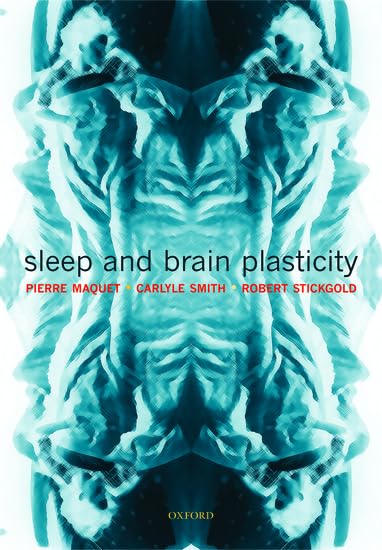
Related Books ▼



Interesting Articles▼
RELATED SOURCES & INFORMATION ▽
DID YOU GET ANY OF THAT?
Read a summarization of this page's content in question-answer format ▽ (click to open and collapse the content)
What is targeted memory reactivation (TMR), and how does it strengthen memory during sleep?
TMR uses subtle sensory cues, such as sounds linked to prior learning, played during deep sleep to reinforce specific neural patterns. By guiding the brain’s natural replay process, it enhances consolidation of information without introducing new material.
Why is sleep increasingly viewed as “cognitive hygiene” rather than passive rest?
Because adequate sleep supports hippocampal function, stabilizes learning, and protects long-term brain health. Chronic deprivation weakens memory formation and is associated with cognitive decline, making sleep as essential to learning as active study.
Can people actually learn new information while sleeping?
No—sleep does not allow the absorption of entirely new content. However, it can strengthen previously learned skills or memories by optimizing how the brain reprocesses and stores information during slow-wave sleep.
How are emerging technologies being used to improve sleep-based memory consolidation?
Devices using EEG feedback and precisely timed sound cues aim to deepen slow-wave sleep and enhance natural memory replay. These systems seek to improve retention, emotional regulation, and recovery without disrupting rest.
What broader impact could this research have on education and work culture?
It could reshape schedules, shift patterns, and digital design to better align with the brain’s biological need for rest. By respecting how knowledge is consolidated, institutions may improve learning efficiency, well-being, and long-term cognitive performance.
Related Articles:

America’s “Golden Dome”: A Shield Against Missile Threats
A proposed space-and-ground defense system designed to detect and intercept missiles early

Inside CERN: Exploring the Universe at Its Smallest Scale
How the world’s largest physics laboratory probes matter, forces, and reality itself

Growing Meat from Algae: Rethinking Protein at the Source
How algae-based systems could deliver meat-like nutrition with a fraction of the footprint

Nature vs. Nurture: How Humans Are Shaped
Why genes and environment are inseparable forces in human development

Magnetic Levitation: How Objects Float Without Contact
The physics behind the maglev effect, from superconductors to high-speed trains

Time Travel Explained: Science vs. Science Fiction
Modern physics allows surprising forms of time travel—within strict and unsettling limits

Microbial Factories: Upcycling Plastic at the Molecular Level
Engineered microbes could transform plastic waste into valuable industrial chemicals

Lucid Dreaming: Learning to Wake Up Inside Dreams
How conscious awareness during sleep can reshape dreams and self-control

The Incredible Potential of Superconductors
Zero resistance materials could redefine energy, medicine, and motion.


Tech That Actually Helps.
At Gadgifyr, we focus on one thing — gadgets that truly improve your life. Every product is chosen for its usefulness, quality, and real impact, not marketing claims.
We test, research, and verify what works, translating complex tech into clear insights. So when you read a Gadgifyr review, you know it’s honest, science-backed, and made for real people.
STAY IN THE LOOP
Updates Worth Reading.
Receive clear, honest gadget news — handpicked, tested, and explained. Join a smarter feed for people who want tech that truly matters.
Explore Other Blogs:


Gadgifyr
August 24, 2026
-
14 min read
Training Smarter: The Science of Effective Muscle Growth
A myth-checked, research-based look at what genuinely drives muscle growth — and where popular fitness claims outpace the science.
Category

Gadgifyr
January 27, 2026
-
12 min read
Heat vs. Cold Therapy: What Ice Baths, Saunas, and Contrast Therapy Actually Do
A science-backed look at heat and cold therapy — from cold plunges and saunas to contrast therapy — covering what's proven, what's still early, and which recovery gadgets hold up.
Category

Gadgifyr
February 11, 2026
-
15 min read
What plant-derived oils can realistically do for hair, sleep, mood, and everyday wellbeing
An honest, research-based breakdown of what essential oils can realistically do for sleep, hair, mood, and daily wellbeing — plus the gadgets built around them.
Category
