
Hand Hygiene Explained: What the Gadgets Really Do
Hand hygiene is one of science's best-proven tools against everyday illness — but does adding technology to the mix actually help? This article looks at what soap, sanitizer, and hand hygiene gadgets actually do to germs, and what solid research says about which tools are worth trusting.

Gadgifyr
April 6, 2026
8 min
Real - World Performance
⚙️ Basic hand washing is strongly backed by evidence. Decades of research, including workplace trials, show soap-and-water washing meaningfully reduces infection episodes.
⚙️ Shorter alcohol rubs work nearly as well as longer ones. A 15-second rub reduced bacteria about as effectively as a 30-second rub in controlled testing.
⚙️ Automated reminder systems show real, replicated improvements. Hospital pilots recorded meaningful gains in hand-cleaning rates and fewer risky room exits without cleaning.
⚙️ UV sanitizing wands work, but only under the right conditions. Distance, angle, humidity, and exposure time all significantly affect how many germs are actually killed.
⚙️ Antibacterial soap adds no proven extra benefit. Regulatory reviews have found no solid evidence it outperforms plain soap for everyday use.
Good to Know
🔍 Technique matters more than the product. Covering nails, between fingers, and wrists for at least 15–20 seconds captures most of the benefit, regardless of which gadget is used.
🔍 Alcohol sanitizer struggles with visibly dirty or greasy hands. It works best as a backup, not a full substitute, for soap and water.
🔍 Electronic monitoring systems face real limitations. Accuracy issues, high installation costs, and privacy concerns are all documented challenges in hospital settings.
🔍 UV wands sanitize objects, not skin. Using one on a phone doesn't replace washing hands afterward.
🔍 "Kills 99.9% of germs" claims deserve scrutiny. Without independent testing behind them, these numbers can be more marketing than evidence.
🔍 Hand hygiene habits can fade fast. Some research found improved habits during a health scare dropped off again once media attention moved on.
🔍 Cost varies enormously for institutional systems. Full monitoring setups have run tens of thousands of dollars for a single hospital unit.
Every day, hands become one of the busiest highways for germs. Door handles, phones, shared surfaces, and other people's hands all leave microscopic hitchhikers behind, which then travel straight to the eyes, nose, and mouth — the easiest routes into the body.
Colds, flu, stomach bugs, and more serious infections spread this way, often through contact nobody notices. Understanding what actually removes germs from skin — and what doesn't — matters more than most people realize, especially with new gadgets promising to help.
Did You Know?
A well-designed study found that scrubbing hands with alcohol-based rub for just 15 seconds killed bacteria about as effectively as scrubbing for a full 30 seconds. That's good news for busy routines: a shorter, more realistic scrub can still get the job done, as long as it covers all surfaces of the hands, not just the palms.
Several types of hand hygiene gadgets exist. Automated reminder and monitoring systems, common in hospitals, use sensors or badges to detect whether hands were cleaned at key moments and nudge users when a wash is missed. Alcohol-based dispensers deliver a measured no-water squirt, while UV-light wands aim ultraviolet bursts at objects like phones rather than skin.
The mechanisms differ. Plain soap works through surfactant action, physically loosening the fatty outer layer of germs so friction and rinsing wash them away — it need not "kill" anything. Alcohol dissolves that layer differently, denaturing proteins on contact. UV light damages microbial genetic material directly, but only where light actually reaches, which is why distance and timing matter.

Research on the basics is strong. A workplace trial found that people washing with soap and water had about 6.7% fewer infection episodes overall — a small but real, repeatable benefit rather than a fluke. Separate lab research found that scrubbing hands with alcohol-based rub for just 15 seconds reduced bacteria on hands about as well as scrubbing for 30 seconds, meaning shorter, more realistic routines work nearly as well as longer ones.
Evidence on hand hygiene gadgets is newer but encouraging. In one hospital pilot, an automated reminder system raised hand-cleaning rates from around 86% to 90% within months and cut risky room-exits without cleaning by roughly a third. Similar systems elsewhere have been linked to real drops in certain infections, though study designs vary and results are not identical everywhere.
UV sanitizing wands showed strong germ-killing results, but only under specific conditions: moderate humidity, a close and direct beam, and enough exposure time. Angle the light away or use it too far from the surface, and effectiveness drops sharply.
Worth Knowing
UV sanitizing wands can kill a large share of germs on objects like phones — but only under narrow conditions. One study found the best results appeared at moderate humidity, close range, and a direct beam; move the light farther away or aim it indirectly, and germ-killing power drops off fast. A UV wand's marketing claim and its real-world performance can look very different depending on exactly how it's used.
For most people, the biggest lever isn't a gadget at all — it's technique. Washing hands with plain soap for at least 15–20 seconds, covering nails, between fingers, and wrists, captures most of the available benefit, and antibacterial soap adds no proven advantage over plain soap for everyday use, according to regulatory reviews. Alcohol-based sanitizer is a reasonable stand-in when soap and water aren't available, though it works less well on visibly dirty hands and against certain hardy germs.
Gadgets can still help in specific situations. Automated reminder systems make the most sense in busy institutional settings — hospitals, clinics, care homes — where consistent tracking is hard to achieve by observation alone. UV wands are a supplement for sanitizing shared objects like phones or keys, not a replacement for washing hands, and only work as advertised when used correctly.
KEY STATISTICS
6.7% fewer infections
Fewer Infections With Soap and Water
In a workplace study, people who washed with soap and water had about 6.7% fewer infection episodes overall compared with those who didn't change their routine — a modest but real, statistically confirmed improvement.
15 seconds
Shorter Scrub, Same Clean Hands
Alcohol-based hand rub used for just 15 seconds reduced bacteria on hands about as effectively as scrubbing for a full 30 seconds, meaning realistic, quicker routines can still work.
About 1 in 3 fewer risky skips
Automated Reminders Cut Risky Skips
After a hospital introduced an automated hand hygiene reminder system, the number of times staff left a patient room without cleaning their hands dropped by roughly a third in the ICU — a meaningful drop in a well-documented risk factor for spreading infection.
Taken together, the science paints a grounded picture: the fundamentals of hand hygiene are well proven, and a modest but growing body of research suggests certain gadgets — particularly hospital-grade monitoring systems — can meaningfully support better habits rather than replace them. None of this points to a single miracle device; it points to consistent basics, reinforced in specific settings by helpful technology.
For anyone shopping in this space, a few specifics matter. Automated hand hygiene systems intended for home or small office use should specify exactly what they detect — hand contact, dispenser use, or simply proximity — since these measure very different things. For alcohol-based dispensers, check that the product lists an actual alcohol concentration (60% or higher is the evidence-backed threshold) rather than vague "kills germs" language. For UV sanitizing devices, look for a stated wavelength, exposure time, and distance range on the packaging.
Red flags include marketing phrases like "kills 99.9% of germs" with no reference to independent testing, claims that blur the line between sanitizing surfaces and sanitizing hands, and pricing that assumes a gadget alone can replace basic technique. A device is worth buying when it supports — not substitutes for — 15 to 20 seconds of proper washing or rubbing.


EVIDENCE-BASED RELIABILITY
74%
Overall Score
8
Sources Used
6
Claim Types
65%
85%
40%
15-Second Alcohol Rub Matches 30-Second
Automated Reminder Systems Improve Compliance
Long-term Studies
Hand Washing
Well Proven
Alcohol Rub
Solid Evidence
Smart Reminders
Promising
Best Technique
Time & Coverage
Antibacterial Soap
No Extra Benefit
UV Wands
Conditional
AT A GLANCE - METRIC ACCURACY
The Consumer Takeaway
The science behind hand hygiene is some of the most consistent in everyday health: washing with soap and water, or using an alcohol-based rub correctly, reliably reduces the germs on hands and the infections that follow. This isn't a case of hype outrunning evidence — it's the opposite, a genuinely well-supported habit that many people still underuse or rush through.
Where gadgets fit in is more nuanced. Automated hand hygiene monitoring systems have shown real, replicated improvements in institutional settings, even if the effects are modest rather than dramatic — and that modest, repeated benefit is still a meaningful one. UV sanitizing wands can be genuinely effective for objects, but only within a narrow set of conditions that many casual users won't replicate at home.
None of this means gadgets are pointless. It means they work best as support for good technique, not a replacement for it. Anyone weighing whether to invest in hand hygiene technology should start with the basics — proper washing time and coverage — and treat any device as a helpful add-on rather than the main event.
Chow, A., Arah, O. A., Chan, S.-P., Poh, B.-F., Krishnan, P., Ng, W.-K., Choudhury, S., Chan, J., & Ang, B. (2012). Alcohol handrubbing and chlorhexidine handwashing protocols for routine hospital practice: A randomized clinical trial of protocol efficacy and time effectiveness. American Journal of Infection Control.
Pires, D., Soule, H., Bellissimo-Rodrigues, F., de Kraker, M. E. A., & Pittet, D. (2019). Antibacterial efficacy of handrubbing for 15 versus 30 seconds: EN 1500-based randomized experimental study with different loads of Staphylococcus aureus and Escherichia coli. Clinical Microbiology and Infection.
Amin, N., Pickering, A. J., Ram, P. K., Unicomb, L., Najnin, N., Homaira, N., Ashraf, S., Abedin, J., Islam, M. S., & Luby, S. P. (2014). Microbiological evaluation of the efficacy of soapy water to clean hands: A randomized, non-inferiority field trial. American Journal of Tropical Medicine and Hygiene.
Savolainen-Kopra, C., Haapakoski, J., Peltola, P. A., Ziegler, T., Korpela, T., Anttila, P., Amiryousefi, A., Huovinen, P., Huvinen, M., Noronen, H., Riikkala, P., Roivainen, M., Ruutu, P., Teirilä, J., Vartiainen, E., & Hovi, T. (2012). Hand washing with soap and water together with behavioural recommendations prevents infections in common work environment: An open cluster-randomized trial. BMC Infectious Diseases.
Byrns, G., Barham, B., Yang, L., Webster, K., Rutherford, G., Steiner, G., Petras, D., & Scannell, M. (2017). The uses and limitations of a hand-held germicidal ultraviolet wand for surface disinfection. Journal of Occupational and Environmental Hygiene.
Wang, C., Jiang, W., Yang, K., Yu, D., Newn, J., Sarsenbayeva, Z., Goncalves, J., & Kostakos, V. (2021). Electronic monitoring systems for hand hygiene: Systematic review of technology. Journal of Medical Internet Research.
Seferi, A., Parginos, K., Jean, W., Calero, C., Fogel, J., Modeste, S., Scott, B.-A., Daly-Walsh, M., Yap, W., Kaur, M., Brady, T., & Madaline, T. (2023). Hand hygiene behavior change: A review and pilot study of an automated hand hygiene reminder system implementation in a public hospital. Infection Control & Hospital Epidemiology.
U.S. Food and Drug Administration. (2016). FDA issues final rule on safety and effectiveness of antibacterial soaps.
DID YOU GET ANY OF THAT?
Read a summarization of this page's content in question-answer format ▽ (click to open and collapse the content)
Does hand sanitizer work as well as washing with soap?
Not always. Alcohol-based sanitizer works well against many germs, but it performs poorly on visibly dirty or greasy hands and against certain resistant organisms. Soap and water remains the better default whenever it's available, with sanitizer serving as a solid backup when it isn't.
Is 15 seconds really enough time to sanitize hands?
For alcohol-based hand rub specifically, controlled research found 15 seconds worked about as well as 30 seconds at reducing bacteria, as long as the rub covers every surface of the hands. For soap and water, most health guidance still recommends closer to 20 seconds, partly because lathering and rinsing take a bit longer.
Are UV sanitizing wands worth buying?
They can meaningfully reduce germs on objects like phones and keys, but only under the right conditions — close range, a direct beam, and enough exposure time. They sanitize objects, not hands, so they never replace washing your hands, even after using one.
Do hand hygiene reminder gadgets actually change behavior?
In hospital studies, yes. Compliance rates improved and risky lapses — like leaving a room without cleaning hands — dropped meaningfully after automated systems were introduced. Whether the same size of effect holds for casual home use is far less studied, so expectations should stay modest outside institutional settings.
Is antibacterial soap better than regular soap?
Current evidence doesn't support that antibacterial soap outperforms plain soap for everyday use. Regulators have actually restricted several antibacterial ingredients over safety concerns, specifically because manufacturers couldn't demonstrate any added benefit over plain soap and water.
Gadgets Connected to These Scientific Insights
The gadgets shown here each rely on the science discussed in this article — sometimes directly, sometimes through a clever variation of the same underlying technology.
For the best experience, we recommend reading the summary first. It gives you a quick, clear understanding of how the technology works and helps you decide whether these gadgets match what you’re looking for.
Explore other Gadget Related Articles:

Hand Hygiene Explained: What the Gadgets Really Do
Everyone washes their hands — but does the tech promising to make it smarter actually change anything? Here's what the research says.

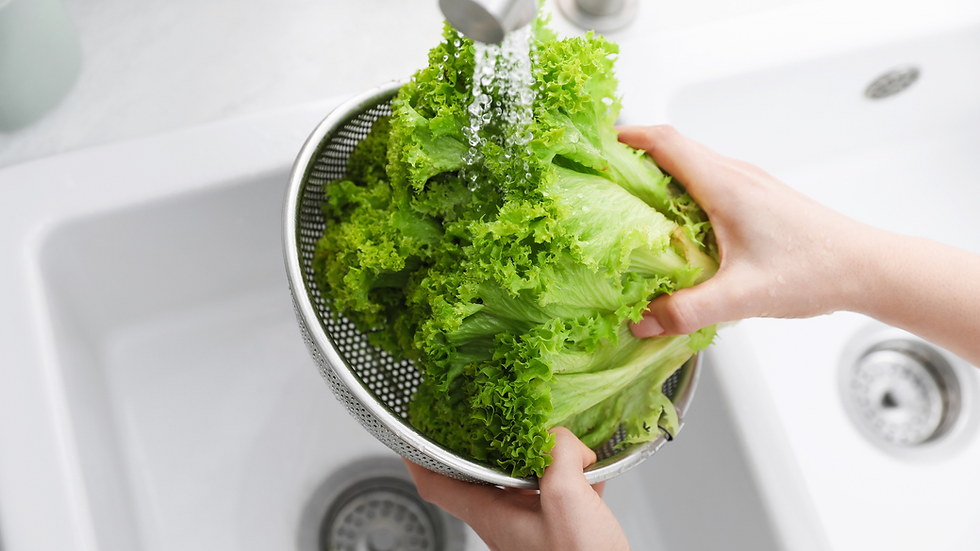
Food Washing Produces: Ultrasonic Cleaners And HOCl Compared
Two very different countertop gadgets both claim to clean your fruits and veggies better than the sink, but do they actually solve the same problem?

Does Meal Prepping Actually Make You Eat Healthier?
Millions swear by Sunday meal prep for healthier eating. Does the research actually back that up?
1 / 3


About Gadgifyr
We uncover and review gadgets that genuinely make life better — from boosting focus and energy to improving everyday comfort and wellbeing.
No exaggerations, no empty promises. Just real reviews, grounded research, and practical tech that adds value — not noise.
When a gadget makes bold claims, we test the facts, check the science, and give you the clarity you need to decide with confidence.
Join the Gadgifyr Community
Stay ahead of the curve, together.
Get involved with a community that loves smart gadgets, real reviews, and tech that actually improves life.
Subscribe to the Newsletter
No spam. Just smart tech.
Get new reviews, science insights, and hand-picked gadget drops straight to your inbox.
Explore Gadgifyr's Blogs

Gadgifyr
August 24, 2026
-
14 min read
Training Smarter: The Science of Effective Muscle Growth
A myth-checked, research-based look at what genuinely drives muscle growth — and where popular fitness claims outpace the science.
Category

Gadgifyr
January 27, 2026
-
12 min read
Heat vs. Cold Therapy: What Ice Baths, Saunas, and Contrast Therapy Actually Do
A science-backed look at heat and cold therapy — from cold plunges and saunas to contrast therapy — covering what's proven, what's still early, and which recovery gadgets hold up.
Category

Gadgifyr
February 11, 2026
-
15 min read
What plant-derived oils can realistically do for hair, sleep, mood, and everyday wellbeing
An honest, research-based breakdown of what essential oils can realistically do for sleep, hair, mood, and daily wellbeing — plus the gadgets built around them.
Category


