Is Robot-Cooked Food Actually Worse? Science vs. Bias
Cooking robots and smart cookers promise precision-engineered meals. Here's what food science actually shows about temperature-controlled cooking - and what's never actually been tested: whether robot-cooked food tastes as good as human-cooked food.

Gadgifyr
May 27, 2026
8 min read
Real - World Performance
⚙️Precision temperature control genuinely improves specific meat qualities. A large meta-analysis found sous vide cooking significantly increased tenderness and juiciness compared to conventional cooking.
⚙️The effect involves real trade-offs, not universal improvement. Lower, longer cooking improves tenderness and moisture but reduces the flavor compounds that develop at higher, browning temperatures.
⚙️Multi-stage precision cooking may outperform single-temperature approaches. One study found finishing sous vide food with a brief high-heat step improved tenderness without excessive moisture loss.
⚙️Precision temperature control matters for food safety, not just texture. Research on seafood found meaningfully higher temperatures were needed for microbiological safety than for texture alone.
⚙️No source tested robot-cooked food against human-cooked food in a real taste comparison. The only related study measured predicted quality from photos, not actual tasting.
Good to Know
🔍Sous vide, the food-science foundation behind many cooking robot claims, means cooking vacuum-sealed food in a precisely controlled water bath at a fixed low temperature for an extended time.
🔍Around 50-60°C is generally best for tenderness and moisture retention in meat, while temperatures above 70°C are needed to develop deeper flavor through browning-related reactions, a genuine trade-off.
🔍In a psychology study using only photographs, people predicted robot-cooked food would be lower quality than human-cooked food even when the robot was made to look highly humanlike, though a more humanlike appearance did improve predictions somewhat.
🔍The same photo-based study found people's bias against robot chefs held regardless of whether the dish was simple or difficult to cook, suggesting the skepticism wasn't really about the robot's competence.
🔍Food safety research on seafood found cooking temperatures of at least 80°C were needed for acceptable bacterial safety margins, notably higher than the temperatures that produced the best texture.
🔍Reheating method affected flavor intensity in at least one seafood study, with microwave-reheated samples tasting more intense than pan-reheated or freshly cooked samples.
🔍None of the sources gathered here evaluated nutrient retention specifically for cooking robots, only general temperature-and-time effects on texture, moisture, and flavor compounds.
Cooking robots and automated kitchen devices are marketed on a simple, appealing promise: perfect temperature control means consistently better food, tenderer meat, juicier results, none of the guesswork. That promise borrows heavily from real, well-studied food science, particularly research on sous vide and precision-temperature cooking.
But there's a difference between "precise temperature control genuinely changes food texture" and "a cooking robot produces food as good as a skilled human cook," and the research behind these two claims is not the same. This article looks at what's actually been measured about precision cooking, and what's only been assumed or predicted about robots specifically.
Did You Know?
A meta-analysis of 28 studies found sous vide cooking, the same core temperature-precision mechanism many cooking robots use, produced meat that was significantly more tender and juicier than conventionally cooked meat, with large, consistent effects across pork, beef, and lamb. That's a genuinely strong scientific foundation, even though it says nothing about robots specifically.
The core mechanism behind precision cooking claims is genuinely real: meat's tenderness and moisture depend heavily on hitting specific temperature ranges. Roughly 50-60°C dissolves connective tissue (collagen) gradually without driving out too much moisture, improving tenderness without sacrificing juiciness, while temperatures above 70°C are needed to develop deeper, more complex flavor compounds through browning-related reactions, but at the cost of more moisture loss.
Sous vide, cooking vacuum-sealed food in a precisely controlled water bath, is the most heavily studied version of this precision-cooking approach, and it's essentially the same underlying mechanism that many "smart cooker" and cooking robot products are built around, sometimes combined with automated stirring, ingredient dosing, or multi-stage temperature changes during a single cook.

The food science behind precision temperature cooking is genuinely well established. A meta-analysis of 28 studies found sous vide cooking significantly improved meat tenderness and juiciness compared to conventional cooking, with large, consistent effect sizes across pork, beef, and lamb. Multiple individual studies replicated this pattern across different foods: sous vide improved tenderness and reduced water loss in chicken breast, and preserved color and texture better than high-temperature cooking in tuna, though it also reduced certain fishy flavor compounds, showing precision cooking doesn't just improve food uniformly, it changes it in specific, sometimes trade-off-laden ways.
One study found a "stepwise" approach, cooking at a low sous vide temperature and then briefly finishing at a much higher temperature, further improved tenderness without excessive moisture loss, essentially automating the exact kind of multi-stage precision that a cooking robot could, in principle, execute more consistently than a human. Food safety research adds another layer: mussels cooked sous vide needed temperatures of at least 80°C to reach acceptable bacterial safety margins, showing precision temperature control matters for safety, not just texture.
What none of the gathered research includes, however, is any blind taste test comparing food actually cooked by a robot against food cooked by a human chef. The only robot-versus-human comparison found was a psychology study that showed people photos of dishes and asked them to predict quality based on who or what cooked it, finding that participants consistently predicted robot-cooked food would be lower quality than human-cooked food, regardless of the dish's difficulty or the robot's appearance, a finding about human expectation and bias, not about how the food actually tasted.
By The Numbers
In the only study found here comparing perceptions of robot-cooked and human-cooked food, participants consistently predicted robot-cooked dishes would be lower quality than human-cooked ones, across three separate experiments testing different cuisines, dish difficulty levels, and robot appearances, even when the robots looked highly humanlike. Crucially, participants only saw photographs and made predictions; none of them actually tasted the food. It's evidence of a real bias against robot cooking, not evidence about how robot-cooked food actually tastes.
For someone evaluating a cooking robot's marketing claims, this research draws an important line. The mechanism, precise, consistent temperature and time control improving specific measurable qualities like tenderness, juiciness, and moisture retention, has real, extensive scientific support, and it's a legitimate reason to expect more consistent results from a device that automates it than from manual stovetop cooking with more variable timing and heat.
What hasn't been tested anywhere in the gathered research is whether a cooking robot specifically, as opposed to sous vide or a programmable cooker generally, produces food that people actually prefer in a real taste comparison against a skilled human cook. The one relevant study on robots and food quality measured predicted quality from photographs, not real tasting, and found a consistent bias against robot-cooked food regardless of the robot's competence, which cuts against uncritically accepting either an inflated marketing claim or an assumption that robot food is worse; the honest answer is that this specific comparison hasn't been rigorously tested yet.
KEY STATISTICS
g = 1.70 tenderness
How Much Sous Vide Improves Tenderness
A meta-analysis of 28 studies found sous vide cooking improved meat tenderness with a large effect size (Hedges' g = 1.70) compared with conventional cooking, a strong, consistent result across pork, beef, and lamb.
50-60°C vs 70°C+
The Texture-vs-Flavor Temperature Tradeoff
Research found temperatures of 50-60°C were best for meat tenderness and moisture retention, while temperatures above 70°C were needed to develop deeper flavor through browning-related reactions - a genuine trade-off, not a single 'best' setting.
3 experiments, 0 taste tests
What The Robot-vs-Human Chef Study Actually Measured
Across three experiments, a study on robotic versus human chefs measured people's predicted food quality based only on photographs - no participant in any experiment actually tasted food cooked by a robot or a human chef.
Taken together, the research supports precision temperature and time control, the actual mechanism behind most cooking robot and smart cooker marketing, as a real, well-documented way to improve specific, measurable food qualities. It does not support, or refute, the broader claim that a cooking robot produces food as good as a skilled human cook, because that specific comparison hasn't been directly and rigorously tested with real tasting in the research gathered here.
For anyone evaluating a cooking robot or smart cooker, a few checks help separate legitimate mechanism-based claims from marketing overreach. Claims about improved tenderness, juiciness, or moisture retention through precise temperature control are grounded in real, extensive food science, and reasonable to expect from any device that actually achieves consistent, accurate temperature and timing, whether that's a basic sous vide machine or a more elaborate cooking robot. Be skeptical of blanket claims that a device produces food "as good as" or "better than" human cooking; no independent, blind taste-testing research comparing robot-cooked and human-cooked food was found here, so treat such claims as anecdotal or promotional until shown otherwise.
Remember that precision cooking involves real trade-offs, not universal improvement: research consistently found that optimizing for tenderness and moisture (lower, longer cooking) sacrifices some of the flavor development that comes from higher-heat browning, so a device that only does low-temperature precision cooking may need a separate searing or finishing step to develop full flavor, exactly the kind of multi-stage process that showed real benefit in the research gathered here. And for safety-related claims specifically, verify that a device reaches temperatures adequate for the specific food; research on seafood found meaningfully higher temperatures were needed for microbiological safety than for optimal texture alone.
RELATED READING

Gadgifyr could not find any relatable books about this topic that were not to advanced and/or technical.
-

EVIDENCE-BASED RELIABILITY
48%
Overall Score
6
Sources Used
5
Claim Types
10%
85%
20%
Precision Temperature Control Improves Meat Tenderness and Juiciness
Cooking Robots Produce Food That Tastes as Good as Human Cooking
Long-term Studies
This topic splits sharply between well-proven mechanism and untested marketing claims. The food science behind precision temperature cooking (the mechanism cooking robots use) is strongly supported by a large meta-analysis and multiple food-specific studies, showing real, measurable improvements in tenderness and juiciness, with genuine trade-offs against flavor development. However, no source found tested actual robot-cooked food against human-cooked food in a real taste comparison. The only related study measured predicted quality from photographs, revealing consumer bias rather than actual food quality differences. The mechanism is solid; the marketing claim about robots matching human cooking remains unverified.
Precision Temp Control
Well-Proven
Meat Tenderness/Juiciness
Strong Effect
Robot vs Human Taste Test
Never Tested
Long-Term Evidence
Limited
Consumer Bias vs Robots
Documented
Flavor vs Texture Tradeoff
Real Tradeoff
AT A GLANCE - METRIC ACCURACY
The Consumer Takeaway
The science behind cooking robots turns out to be a story about two very different kinds of evidence. The mechanism these devices are built on, precise, consistent temperature and time control, has real, extensive scientific support: a meta-analysis of dozens of studies found this kind of precision cooking measurably improves meat tenderness and juiciness, and follow-up research shows the effect is genuine but comes with real trade-offs between texture and flavor development.
That's a legitimate, evidence-backed reason to expect more consistent results from a device that automates precise temperature control than from manual cooking with more variable heat and timing. What the research doesn't support, or refute, is the bigger promotional claim that a cooking robot produces food as good as a skilled human cook, because nobody in the gathered research actually ran that test. The closest thing available was a study measuring people's predictions about robot-cooked food based on photographs alone, which found a consistent bias against robots regardless of their competence or the dish's difficulty, evidence about human skepticism, not about food quality.
The honest takeaway is that the mechanism is real and worth trusting for what it demonstrably does, tenderness, juiciness, consistency, while the broader claim of matching or beating human cooking remains genuinely untested.
Li, X. (2025). A meta-analysis of effects of sous vide cooking on meat quality and their influencing factors. International Journal of Gastronomy and Food Science.
Ismail, I., Hwang, Y.-H., Bakhsh, A., Lee, S.-J., Lee, E.-Y., Kim, C.-J., & Joo, S.-T. (2022). Control of sous-vide physicochemical, sensory, and microbial properties through the manipulation of cooking temperatures and times. Meat Science.
Yuan, X., Li, D., Shi, P., Wu, J., Dai, Z., Dong, X., & Lu, Y. (2025). Effect of sous vide cooking technology on the quality, protein structure, microstructure, and flavor of yellowfin tuna (Thunnus albacares). Food Chemistry.
Noh, S.-W., Song, D.-H., & Kim, H.-W. (2025). Stepwise sous-vide cooking as a novel approach to enhance the water-holding capacity and tenderness of chicken breast. Foods.
Russo, G. L., Langellotti, A. L., Buonocunto, G., Puleo, S., Di Monaco, R., Anastasio, A., Vuoso, V., Smaldone, G., Baselice, M., Capuano, F., Garofalo, F., & Masi, P. (2023). The sous vide cooking of Mediterranean mussel (Mytilus galloprovincialis): Safety and quality assessment. Foods.
Effects of chef type (human vs. robotic), anthropomorphism, and cooking difficulty on consumers' food quality predictions (2022). International Journal of Social Robotics. (Specific author names were not available in the source excerpt gathered for this article.)
DID YOU GET ANY OF THAT?
Read a summarization of this page's content in question-answer format ▽ (click to open and collapse the content)
Do cooking robots actually make food taste better?
That specific claim hasn't actually been tested in the research gathered here. What has been tested, extensively, is the underlying mechanism these devices use, precise temperature and time control, which does measurably improve tenderness and juiciness. Whether a cooking robot specifically produces food people prefer over human cooking in a real taste test hasn't been directly studied.
Is the science behind sous vide and precision cooking legitimate?
Yes, genuinely. A meta-analysis of 28 studies found sous vide cooking significantly improved meat tenderness and juiciness compared to conventional methods, with consistent effects across pork, beef, and lamb. This is one of the more solidly evidenced claims in food science, and it's the real mechanism many cooking robots and smart cookers are built around.
Has anyone actually compared robot-cooked and human-cooked food in a blind taste test?
Not in the research gathered here. The only study found comparing robotic and human chefs asked participants to predict food quality from photographs, without any actual tasting. It found people consistently expected robot-cooked food to be worse, but that's a measure of bias and expectation, not a measure of how the food actually tastes.
Is lower-temperature, longer cooking always better than higher-heat cooking?
No, and this is a genuine trade-off worth knowing. Lower temperatures, roughly 50-60°C, are best for tenderness and moisture retention, but temperatures above 70°C are needed to develop deeper flavor through browning-related reactions. A device that only does low-temperature precision cooking may need an additional high-heat step to develop full flavor.
Does precise temperature control matter for food safety too, or just taste and texture?
It matters for safety as well. Research on seafood found that cooking temperatures needed to be meaningfully higher, at least 80°C in that study, to reach acceptable bacterial safety margins than the lower temperatures that produced the best texture. A device's precision is only as useful as whether it's actually reaching temperatures appropriate for both texture and safety.
Gadgets Connected to These Scientific Insights
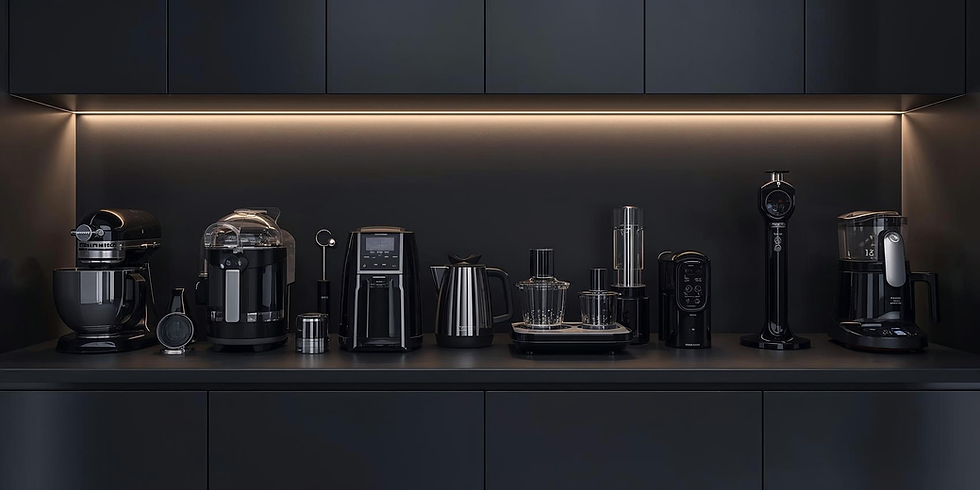
The gadgets shown here each rely on the science discussed in this article — sometimes directly, sometimes through a clever variation of the same underlying technology.
For the best experience, we recommend reading the summary first. It gives you a quick, clear understanding of how the technology works and helps you decide whether these gadgets match what you’re looking for.


Explore other Gadget Related Articles:

Does Meal Prepping Actually Make You Eat Healthier?
Millions swear by Sunday meal prep for healthier eating. Does the research actually back that up?
Food Washing, Contamination & Myths
Everyone rinses their produce and poultry before cooking. But does that quick rinse actually make your food any safer?

Is Robot-Cooked Food Actually Worse? Science vs. Bias
Cooking robots promise lab-precise meals. But has anyone actually taste-tested robot food against a human chef's?

1 / 3


About Gadgifyr
We uncover and review gadgets that genuinely make life better — from boosting focus and energy to improving everyday comfort and wellbeing.
No exaggerations, no empty promises. Just real reviews, grounded research, and practical tech that adds value — not noise.
When a gadget makes bold claims, we test the facts, check the science, and give you the clarity you need to decide with confidence.
Join the Gadgifyr Community
Stay ahead of the curve, together.
Get involved with a community that loves smart gadgets, real reviews, and tech that actually improves life.
Subscribe to the Newsletter
No spam. Just smart tech.
Get new reviews, science insights, and hand-picked gadget drops straight to your inbox.
Explore Gadgifyr's Blogs

Gadgifyr
April 18, 2026
-
11 min
Clean Mouth, Clear Science: What Actually Improves Oral Hygiene
The real evidence behind brushing, flossing, mouthwash, and bad breath — and which habits are actually worth building into your routine.
Category

Gadgifyr
May 18, 2026
-
9 min
Intermittent Fasting: What It Does, What It Doesn't, and How to Use It Safely
Intermittent fasting isn't magic or myth — here's what the science says about how it works, what results to realistically expect, and who should approach it carefully.
Category

Gadgifyr
May 3, 2026
-
9 min
Wearable Health Tracking Demystified: What Your Smartgear Gets Right - and What It Doesn’t
Smartwatches, scales, and rings all promise to decode your body — here's which readings you can actually trust, and which are closer to guesswork.
Category


