
Reheating Food in Plastic: Is It Safe or Harmful to Your Health?
Many plastic containers are made to touch food, but heat can change how much material migrates into that food. This article explains what science suggests about chemical “leaching,” what repeated reheating can change, and which materials are generally safer for warming meals.

Gadgifyr
January 28, 2026
7 min
Real - World Performance
⚙️ Switching to glass or ceramic for reheating reduces dependence on plastic additives that may migrate when heated.
⚙️ Keeping plastic away from very fatty foods during heating can lower the chance of fat-loving chemicals moving into food.
⚙️ Replacing scratched or cloudy containers reduces “worn surface” contact that can worsen residue buildup and potential migration.
⚙️ Heating food uncovered or with a vented lid (not tight plastic wrap) lowers pressure/steam contact and reduces messy splatter that sticks to plastic.
⚙️ Using microwave-safe labeled plastics only improves the odds the material was designed for heat exposure.
⚙️ Storing in plastic but reheating in glass is an easy compromise that cuts heating-related migration.
⚙️ Avoiding repeated high-heat cycles in the same plastic container reduces long-term wear and heat stress on the material.
Good to Know
🔍 Food packaging can be a relevant source of chemical exposure, including compounds with endocrine-disrupting potential.
🔍 Not all migrants are well-identified, and NIAS are a known data gap in safety evaluation.
🔍 Heat can increase migration, so microwaving tends to be a higher-exposure scenario than cold storage.
🔍 Oily foods can pull more chemicals from materials than watery foods, so “greasy microwaving” is a common concern.
🔍 BPA exposure is widespread in populations, shown by urinary detection in multiple studies.
🔍 Some exposures may come from sources beyond plastics, such as epoxy resin linings in lids and other food-contact parts.
🔍 Visible wear (scratches/warping) is a practical red flag—it often signals the container has been heat-stressed.
🔍 “BPA-free” doesn’t automatically mean “chemical-free,” because other substitutes and additives may still migrate.
Reheating leftovers is convenient, but the container matters because heat can speed up chemical movement from packaging into food. Food-contact materials can contain intentionally added chemicals (for strength, flexibility, or clarity) and also non-intentionally added substances (NIAS) that come from manufacturing or breakdown products. A key concern raised in reviews of food packaging is that some migrating compounds may have endocrine-disrupting activity, and many migrants are not fully identified or toxicologically characterized. In simple terms: plastics are useful, but they are complex chemical systems, and heat can make migration more likely.
One well-known example is bisphenol A (BPA), historically used in polycarbonate plastics and epoxy resins. Studies have found BPA in foods and in human urine, showing that exposure is widespread. For example, a Canadian market survey measured BPA in baby foods packaged in glass jars with metal lids and found detectable BPA levels in many products, suggesting that food contact components beyond the jar itself (like lids or linings) can matter.
Laboratory work also shows that BPA can leach from polycarbonate into liquids, and that conditions like higher pH and the presence of amino acids can increase leaching. While this doesn’t prove that microwaving a specific container always releases BPA, it does support the broader point: conditions and materials influence chemical migration.
Repeated warming and reuse can add practical risk factors. Over time, plastic can become scratched, cloudy, or warped, which increases surface wear and may make it easier for substances to migrate or for residues to cling. Heat plus oily or fatty foods can be especially relevant because many packaging chemicals dissolve more readily into fats than water.
There is also evidence that diet can be a major exposure route for plastic-related chemicals: in a large U.S. study, higher fast food intake was linked to higher urinary metabolites of certain phthalates (DEHP and DiNP), which are widely used as plasticizers. This supports the idea that packaging and food processing can contribute to real-world chemical exposure, even if the exact source in any one meal is hard to pinpoint.
The safer approach for reheating is simple: use materials that are stable under heat and don’t rely on plastic additives—like glass, ceramic, or stainless steel (not in microwaves). If plastic must be used, choose containers clearly labeled microwave-safe, avoid heating very greasy foods in plastic, and replace containers that are scratched or deformed. The goal is to reduce unnecessary exposure while keeping everyday cooking realistic.
.png)
KEY STATISTICS
RELATED READING

Gadgifyr could not find any relatable books about this topic that were not to advanced and/or technical.
-

EVIDENCE-BASED RELIABILITY
74%
Overall Score
Sources Used
Claim Types
Long-term Studies
Solid evidence that packaging chemicals can migrate and contribute to exposure; exact risk varies by plastic type, food, and heating conditions.
AT A GLANCE - METRIC ACCURACY
The Consumer Takeaway
Reheating food in plastic containers is not automatically dangerous, but it can increase the chance that small amounts of chemicals migrate into food—especially with high heat, repeated reuse, and greasy meals. The scientific picture from packaging reviews is that food contact materials can contribute to endocrine-active chemical exposure, and that many migrants are still not fully characterized. BPA is a well-studied example showing how exposure can occur through food contact systems, and population studies also show diet-linked exposure to other plastic-related chemicals like certain phthalates.
The most practical takeaway is risk reduction, not panic. Heating in glass or ceramic is a straightforward upgrade, and replacing worn plastics helps avoid the highest-risk “old container” scenario. For people who rely on plastic for convenience, using microwave-safe labeled containers, avoiding high-fat microwaving, and limiting repeated heat cycles can meaningfully lower unnecessary exposure—without making daily life complicated.
Cao, X.-L., Corriveau, J., Popovic, S., & Clement, G. (2009). Bisphenol A in baby food products in glass jars with metal lids from Canadian markets. Journal of Agricultural and Food Chemistry, 57(12), 5345–5351. https://doi.org/10.1021/jf9006888
Muncke, J. (2009). Exposure to endocrine disrupting compounds via the food chain: Is packaging a relevant source? Science of the Total Environment, 407(16), 4549–4559. https://doi.org/10.1016/j.scitotenv.2009.05.006
Rochester, J. R. (2013). Bisphenol A and human health: A review of the literature. Reproductive Toxicology, 42, 132–155. https://doi.org/10.1016/j.reprotox.2013.08.008
Zota, A. R., Phillips, C. A., & Mitro, S. D. (2016). Recent fast food consumption and bisphenol A and phthalates exposures among the U.S. population in NHANES, 2003–2010. Environmental Health Perspectives, 124(10), 1521–1528. https://doi.org/10.1289/ehp.1510803
Geueke, B., Wagner, C., & Muncke, J. (2014). Food contact substances and chemicals of concern: A comparison of inventories. Food Additives & Contaminants: Part A, 31(8), 1–13. https://doi.org/10.1080/19440049.2014.931600
Sajiki, J., & Yonekubo, J. (2004). Leaching of bisphenol A (BPA) from polycarbonate plastic to water containing amino acids and its degradation by radical oxygen species. Chemosphere, 55(6), 861–867. https://doi.org/10.1016/j.chemosphere.2003.11.065
Zhang, Z., Alomirah, H., Cho, H.-S., Li, Y.-F., Liao, C., Minh, T. B., Mohd, M. A., Nakata, H., Ren, N., & Kannan, K. (2011). Urinary bisphenol A concentrations and their implications for human exposure in several Asian countries. Environmental Science & Technology, 45(16), 7044–7050. https://doi.org/10.1021/es200976k
DID YOU GET ANY OF THAT?
Read a summarization of this page's content in question-answer format ▽ (click to open and collapse the content)
Does microwaving plastic automatically put “toxins” into food?
Not automatically, but heat can increase chemical migration from some food-contact materials into food. The amount depends on the plastic type, the food (especially fat content), heating time, and how worn the container is.
Why does repeated reheating make plastic containers more of a concern?
Repeated heat cycles can stress plastics, leading to warping, clouding, or micro-scratches that change the surface and how residues stick. Worn plastics are also a practical sign that the material has aged and may not behave the same way as when it was new.
Is BPA the main issue, or are there other chemicals?
BPA is a key example because it has been widely studied and is linked to endocrine-disrupting concerns, but it’s not the only one. Reviews highlight that packaging can release mixtures of substances, including NIAS, and many are not fully characterized.
What are the better materials for reheating food?
Glass and ceramic are commonly preferred because they are heat-stable and don’t rely on plasticizers or similar additives. Stainless steel is excellent for storage and reheating on a stove or oven, but it should not be used in a microwave.
How can someone reduce risk without throwing out all plastic?
Store in plastic if needed, but reheat in glass or ceramic whenever possible. Also avoid microwaving oily foods in plastic, and replace containers that are scratched, cloudy, or misshapen.
Gadgets Connected to These Scientific Insights
The gadgets shown here each rely on the science discussed in this article — sometimes directly, sometimes through a clever variation of the same underlying technology.
For the best experience, we recommend reading the summary first. It gives you a quick, clear understanding of how the technology works and helps you decide whether these gadgets match what you’re looking for.
Explore other Gadget Related Articles:

Do Automatic Cookers Improve Food Quality - or Just Convenience?
Automatic cookers can improve consistency and nutrient retention mainly by controlling time, temperature, and moisture, but evidence that “robot chefs” cook better than humans is still limited.
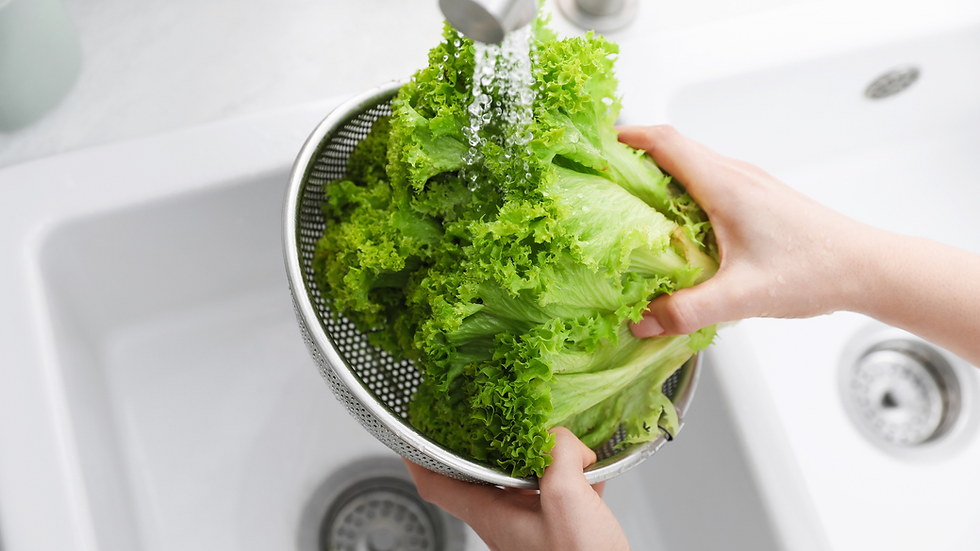
Should You Really Wash Your Food Before Eating?
A science-based breakdown of food contamination sources, potential health consequences, effective washing methods, and common food-cleaning myths that don’t hold up to evidence.

Can Meal Prepping Improve Healthy Eating Habits Long Term?
A fact-based look at the science behind meal prepping, optimal prep duration and food safety, potential downsides, and the extra benefits most people overlook.
1 / 3


About Gadgifyr
We uncover and review gadgets that genuinely make life better — from boosting focus and energy to improving everyday comfort and wellbeing.
No exaggerations, no empty promises. Just real reviews, grounded research, and practical tech that adds value — not noise.
When a gadget makes bold claims, we test the facts, check the science, and give you the clarity you need to decide with confidence.
Join the Gadgifyr Community
Stay ahead of the curve, together.
Get involved with a community that loves smart gadgets, real reviews, and tech that actually improves life.
Subscribe to the Newsletter
No spam. Just smart tech.
Get new reviews, science insights, and hand-picked gadget drops straight to your inbox.
Explore Gadgifyr's Blogs

Gadgifyr
April 18, 2026
-
7 min
Clean Mouth, Clear Science: What Actually Improves Oral Hygiene
A science-guided oral care routine is built on consistent plaque control, smart fluoride use, and lifestyle choices that reduce acid exposure - while avoiding overbrushing, unnecessary abrasion, and “whitening” shortcuts that can undermine enamel protection.
Category

Gadgifyr
May 18, 2026
-
6 min
Intermittent Fasting: What It Does, What It Doesn’t, and How to Use It Safely
A practical, evidence-grounded guide to what intermittent fasting is, how it affects metabolism and appetite, where the research is strongest, what is still uncertain, and how to implement it.
Category

Gadgifyr
May 28, 2026
-
7 min
Cook Faster With Less Mess: 5 Genius Kitchen Tools That Upgrade Workflow
Want cooking to feel smoother day-to-day? These five tools improve prep speed, reduce mess, and keep ingredients moving—without turning the kitchen into a gadget collection.
Category

Gadgifyr
May 3, 2026
-
7 min
Wearable Health Tracking Demystified: What Your Smartgear Gets Right - and What It Doesn’t
An accessible exploration of how consumer wearables sense the body, which measurements hold practical value, where accuracy weakens, and how upcoming technologies could expand their medical relevance.
Category


