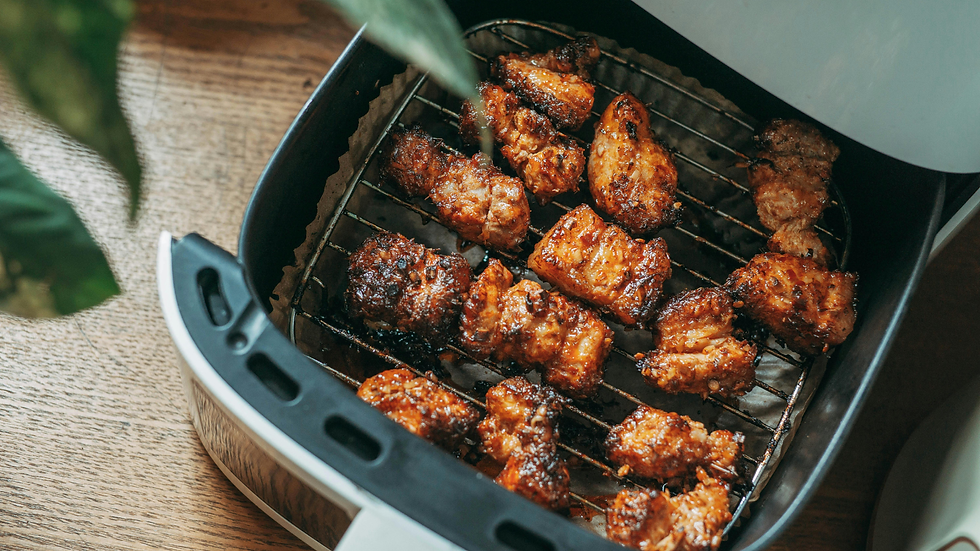
Which Modern Cooking Method Is Actually the Healthiest?
Air fryers, steamers, and deep fryers all claim to be the smart way to cook. Here's what the research on nutrient loss and harmful compounds actually shows - and why the 'best' method depends on what's on the stove.

Gadgifyr
May 12, 2026
8 min read
Real - World Performance
⚙️Steaming best preserves nutrients in vegetables. Studies found it caused the least loss of vitamin C, chlorophyll, and glucosinolates compared with boiling, microwaving, or stir-frying.
⚙️Boiling consistently causes the greatest nutrient loss. Water-soluble vitamins and beneficial compounds leach into cooking water, with vitamin C losses reaching 33-38% in some studies.
⚙️Air frying isn't universally lower in acrylamide. One study found it produced the highest acrylamide levels in potatoes, while a separate study found it lower than deep frying in chicken.
⚙️Soaking potatoes before cooking measurably reduces acrylamide. This simple step lowered acrylamide significantly in deep-fried potatoes in the research gathered here.
⚙️Red meat-derived compounds show a real, measured cancer link. A large case-control study found heterocyclic amines from red meat significantly associated with colon cancer risk, unlike the same compounds from white meat.
Good to Know
🔍Acrylamide forms mainly in starchy, carbohydrate-rich foods through a reaction between natural sugars and an amino acid at high cooking temperatures, which is why potatoes and bread are commonly studied.
🔍Heterocyclic amines (HCAs) form specifically when meat and fish are cooked at high temperatures, especially with prolonged cooking or charring, through a different chemical process than acrylamide.
🔍Microwaving retained vitamin C better than boiling in most vegetables tested in one study, likely because it uses less water and less cooking time, despite microwaving's reputation for destroying nutrients.
🔍Vitamin K and certain fat-soluble vitamins sometimes increased after cooking in the research gathered here, likely because heat breaks down plant cell walls and makes the nutrients easier to extract and measure.
🔍The thawing method used before cooking - microwave, refrigerator, or water immersion - did not significantly affect acrylamide or PAH formation in one study on fried chicken.
🔍Estimates from dietary survey data suggest meat and fish consumption contributes roughly 80% of a person's total dietary cancer risk from heterocyclic amines, based on one risk-assessment study.
🔍Advanced glycation end products (AGEs), a separate class of compounds linked to inflammation and chronic disease, form through a similar high-heat reaction pathway as acrylamide, particularly in fried, protein-rich foods.
Air fryers, steamers, and countertop grills are all marketed as the smarter way to cook, promising fewer harmful compounds and better nutrition than traditional methods like deep frying or boiling. The truth, based on the gathered research, is less of a single winner and more of a genuine "it depends": the healthiest cooking method changes depending on whether the food is a vegetable or meat, and even which specific harmful compound is the concern.
This article looks at what the research actually shows about nutrient retention in vegetables and the formation of potentially harmful compounds in fried and high-heat-cooked meat and starchy foods.
Did You Know?
In a study testing potatoes cooked three different ways, air frying actually produced the highest acrylamide levels of the group, ahead of deep frying and oven frying, running counter to the popular idea that air fryers are automatically the 'cleaner' way to fry. The difference wasn't statistically significant, but it's a reminder that healthier-sounding appliances don't always outperform older methods for every compound and every food.
Cooking method research actually addresses two separate concerns with different mechanisms. The first is nutrient loss in vegetables: water-soluble vitamins like vitamin C, along with beneficial plant compounds called glucosinolates, degrade with heat and leach out into cooking water, so a method's contact time with water and total heat exposure matters most. The second is the formation of potentially harmful compounds during high-heat cooking, particularly frying and browning.
Acrylamide forms mainly in starchy foods, like potatoes, through a reaction between an amino acid and natural sugars at high temperatures. Heterocyclic amines (HCAs) form when meat and fish are cooked at high temperatures, especially with charring or prolonged exposure. These are chemically distinct processes, which is part of why no single cooking method comes out as universally "safest" across every food.

For vegetables, the research is fairly consistent: steaming preserves the most nutrients. One study on broccoli found steaming caused the least loss of chlorophyll, vitamin C, and glucosinolates, while boiling and stir-frying-then-boiling caused the biggest losses, with vitamin C dropping by 33% and 38% respectively. A separate study across multiple vegetables found microwaving actually retained vitamin C better than boiling in most cases, sometimes above 90%, likely because it uses less water and less time.
For frying, the results are genuinely more surprising and food-dependent. One study comparing air frying, deep frying, and oven frying of potatoes found air frying actually produced the highest acrylamide levels of the three methods, though the difference wasn't statistically significant, while oven frying produced the least. But in chicken, a separate study found the opposite pattern: air frying produced meaningfully lower acrylamide and PAH levels than deep-fat frying.
For meat specifically, real epidemiological research adds a further layer: red meat cooked at high temperatures forms heterocyclic amines that were significantly associated with higher colon cancer risk in a large case-control study, while the same compounds formed in white meat showed no significant association.
By The Numbers
In a large population study, people in the highest quarter of dietary intake for two specific heterocyclic amines formed in red meat had 68% to 87% higher odds of colon cancer than people in the lowest quarter. The same compounds formed in white meat showed no significant link to colon cancer risk at all, suggesting it's specifically high-heat-cooked red meat, not meat in general, driving this particular association.
For someone deciding how to cook a given meal, this research suggests the smartest approach is matching the method to the food rather than picking one 'healthy' appliance for everything. For vegetables, steaming is the most consistently well-supported choice for preserving vitamin C, glucosinolates, and other nutrients, with microwaving a reasonable second option, especially for retaining vitamin C specifically.
For frying starchy foods like potatoes, the research doesn't support assuming an air fryer automatically produces less acrylamide than a deep fryer or oven; in the one direct comparison available, oven frying actually came out lowest, and pre-soaking potatoes before cooking measurably reduced acrylamide regardless of method.
For meat, the clearest actionable finding isn't really about the appliance at all: minimizing high-temperature, prolonged, or charred cooking of red meat specifically addresses the compound with the strongest, most direct link to cancer risk in real human population data, more so than the choice between frying methods.
KEY STATISTICS
33-38% vit C loss
Vitamin C Lost From Boiling Vegetables
In one study, boiling and stir-frying-then-boiling broccoli caused vitamin C losses of 33% and 38% respectively, compared with far smaller losses from steaming.
12.2 vs 7.4 µg/kg
Acrylamide: Air-Fried vs Oven-Fried Potatoes
Air-fried potatoes contained about 12.19 micrograms of acrylamide per kilogram, compared with about 7.43 micrograms per kilogram for oven-fried potatoes - the lowest of the three methods tested.
68-87% higher odds
Colon Cancer Risk Linked to Red Meat Compounds
People with the highest dietary intake of two heterocyclic amines formed in red meat had 68% to 87% higher odds of colon cancer than those with the lowest intake, in a large case-control study.
Taken together, the research resists a simple "best cooking method" verdict, and that's a genuinely useful finding on its own: marketing that treats one appliance as a universal health upgrade oversimplifies what the science actually shows. Different foods respond to heat differently, and different harmful compounds form through different mechanisms.
For anyone trying to cook more healthfully, a few evidence-based habits matter more than any single gadget. For vegetables, steam or microwave rather than boil whenever a recipe allows it, since boiling consistently caused the greatest nutrient losses across the research gathered here, largely from vitamins leaching into the cooking water. For starchy foods like potatoes, don't assume an air fryer is automatically the lower-acrylamide choice; the direct comparison available found oven frying produced less, and soaking potato pieces before cooking reduced acrylamide regardless of method, a simple step worth doing either way.
For meat, the biggest evidence-backed lever isn't the specific appliance but avoiding prolonged high-heat cooking and charring, particularly for red meat, since that's the practice most directly and consistently linked to harmful compound formation and, in real population data, to colon cancer risk. Be skeptical of any single appliance marketed as solving all of this at once; the research gathered here didn't find one method that minimized nutrient loss and harmful compound formation across every food type, because those are genuinely separate problems with separate solutions.
RELATED READING

Gadgifyr could not find any relatable books about this topic that were not to advanced and/or technical.
-

EVIDENCE-BASED RELIABILITY
74%
Overall Score
7
Sources Used
5
Claim Types
80%
30%
40%
Air Frying Is Universally Healthier Than Deep or Oven Frying
Steaming Best Preserves Nutrients in Vegetables
Long-term Studies
This topic combines strong vegetable-cooking evidence with more surprising frying research. Multiple studies consistently show steaming preserves nutrients best in vegetables, with boiling causing the most loss. Frying research is more nuanced: air frying didn't consistently reduce acrylamide across foods, performing worse than oven frying for potatoes but better than deep frying for chicken.
The strongest, most consequential evidence is epidemiological: a large case-control study found red meat-derived heterocyclic amines significantly linked to colon cancer risk, while white-meat compounds weren't. Overall, the science supports food-specific guidance over a single 'healthiest method' claim.
Steaming (Vegetables)
Best Overall
Boiling (Vegetables)
Worst
Air Frying (Meat)
Often Better
Long-Term Evidence
Mixed
Red Meat, High Heat
Real Cancer Link
Air Frying (Potatoes)
Not Always Best
AT A GLANCE - METRIC ACCURACY
The Consumer Takeaway
The research on cooking methods doesn't hand out one clear winner, and that turns out to be the most honest finding available. For vegetables, steaming is the most consistently well-supported method for preserving vitamin C, chlorophyll, and other beneficial compounds, with microwaving a solid runner-up, while boiling reliably causes the greatest losses by leaching nutrients into the cooking water. For fried and high-heat-cooked foods, the picture resists a simple appliance-based ranking.
Air frying, often marketed as an automatic upgrade, produced the highest acrylamide levels in one study on potatoes while producing the lowest in a separate study on chicken, showing that the specific food matters as much as the cooking method. The clearest, most consequential finding in this research isn't really about kitchen gadgets at all: heterocyclic amines formed in high-heat-cooked red meat were significantly linked to colon cancer risk in real population data, while the same compounds formed in white meat weren't.
That's a genuinely useful distinction, and one that no single appliance purchase addresses. The most defensible takeaway is to match the method to the food, favor steaming for vegetables, and pay closer attention to how red meat specifically is cooked than to which fryer sits on the counter.
Yuan, G.-F., Sun, B., Yuan, J., & Wang, Q.-M. (2009). Effects of different cooking methods on health-promoting compounds of broccoli. Journal of Zhejiang University Science B.
Lee, S., Choi, Y., Jeong, H. S., Lee, J., & Sung, J. (2018). Effect of different cooking methods on the content of vitamins and true retention in selected vegetables. Food Science and Biotechnology.
Rasool, A., Luo, X., Zhang, Q., Jia, C., Zhao, S., Liu, R., Rong, J., Zhou, G., Wang, B., Kuai, J., Wang, J., & Zhao, J. (2025). Acrylamide and advanced glycation end products in frying food: Formation, effects, and harmfulness. Foods.
Navruz-Varlı, S., & Mortaş, H. (2024). Acrylamide formation in air-fried versus deep and oven-fried potatoes. Frontiers in Nutrition.
Lee, J.-S., Han, J.-W., Jung, M., Lee, K.-W., & Chung, M.-S. (2020). Effects of thawing and frying methods on the formation of acrylamide and polycyclic aromatic hydrocarbons in chicken meat. Foods.
Helmus, D. S., Thompson, C. L., Zelenskiy, S., Tucker, T. C., & Li, L. (2013). Red meat-derived heterocyclic amines increase risk of colon cancer: A population-based case-control study. Nutrition and Cancer.
Layton, D. W., Bogen, K. T., Knize, M. G., Hatch, F. T., Johnson, V. M., & Felton, J. S. (1995). Cancer risk of heterocyclic amines in cooked foods: An analysis and implications for research. Carcinogenesis.
DID YOU GET ANY OF THAT?
Read a summarization of this page's content in question-answer format ▽ (click to open and collapse the content)
Is steaming really the best way to cook vegetables?
Based on the research gathered here, yes, most consistently. One study on broccoli found steaming caused the least loss of vitamin C, chlorophyll, and glucosinolates compared with boiling, microwaving, and stir-frying. Microwaving was also a strong option, particularly for retaining vitamin C, while boiling consistently caused the biggest nutrient losses.
Is air frying actually healthier than deep frying?
It depends on the food, which is a genuinely surprising finding. In one study, air-fried potatoes had the highest acrylamide levels of the methods tested, higher than deep frying. But in a separate study on chicken, air frying produced lower acrylamide and PAH levels than deep-fat frying. There's no single answer that holds across every food.
Does soaking potatoes before frying actually reduce acrylamide?
Yes, based on the research gathered here. Potatoes that were soaked before cooking had lower acrylamide levels than potatoes that were only washed, and the reduction was statistically significant specifically for the deep-frying method. It's a simple, low-effort step that appears to help regardless of which cooking method is used.
Is red meat specifically riskier than white meat when it comes to high-heat cooking?
Based on real population data, yes. A large case-control study found heterocyclic amines formed in high-heat-cooked red meat were significantly associated with higher colon cancer risk, while the same class of compounds formed in white meat showed no significant association, pointing to red meat specifically as the more consequential factor.
Should I throw out my air fryer based on this research?
Not necessarily. Air frying still generally uses less oil than deep frying, and it outperformed deep frying for acrylamide and PAH formation in the chicken study gathered here. The research simply doesn't support treating it as an automatic, universal reduction in every harmful compound for every food, which is a different claim than 'air frying is bad.'
Gadgets Connected to These Scientific Insights
The gadgets shown here each rely on the science discussed in this article — sometimes directly, sometimes through a clever variation of the same underlying technology.
For the best experience, we recommend reading the summary first. It gives you a quick, clear understanding of how the technology works and helps you decide whether these gadgets match what you’re looking for.


Explore other Gadget Related Articles:

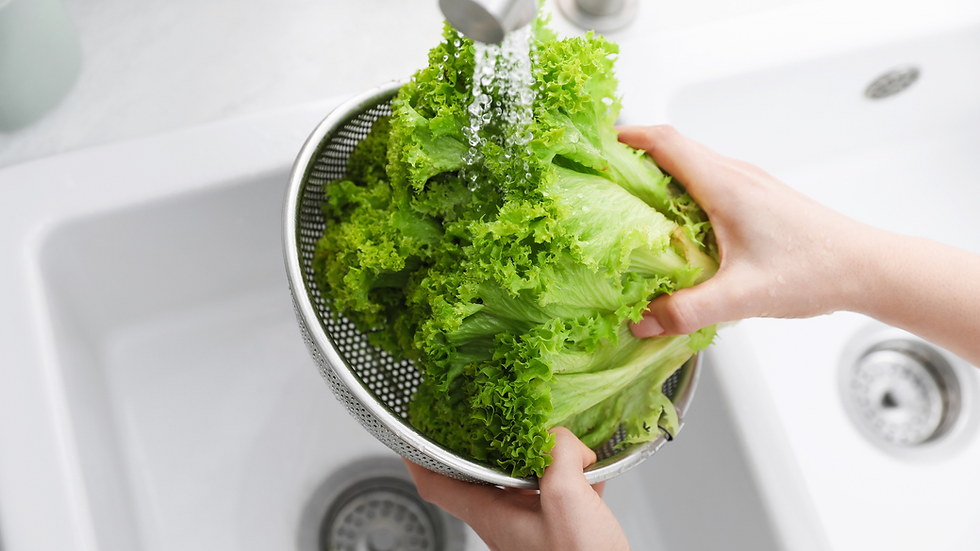
Hand Hygiene Explained: What the Gadgets Really Do
Everyone washes their hands — but does the tech promising to make it smarter actually change anything? Here's what the research says.

Food Washing Produces: Ultrasonic Cleaners And HOCl Compared
Two very different countertop gadgets both claim to clean your fruits and veggies better than the sink, but do they actually solve the same problem?

Does Meal Prepping Actually Make You Eat Healthier?
Millions swear by Sunday meal prep for healthier eating. Does the research actually back that up?
1 / 3


About Gadgifyr
We uncover and review gadgets that genuinely make life better — from boosting focus and energy to improving everyday comfort and wellbeing.
No exaggerations, no empty promises. Just real reviews, grounded research, and practical tech that adds value — not noise.
When a gadget makes bold claims, we test the facts, check the science, and give you the clarity you need to decide with confidence.
Join the Gadgifyr Community
Stay ahead of the curve, together.
Get involved with a community that loves smart gadgets, real reviews, and tech that actually improves life.
Subscribe to the Newsletter
No spam. Just smart tech.
Get new reviews, science insights, and hand-picked gadget drops straight to your inbox.
Explore Gadgifyr's Blogs

Gadgifyr
August 24, 2026
-
14 min read
Training Smarter: The Science of Effective Muscle Growth
A myth-checked, research-based look at what genuinely drives muscle growth — and where popular fitness claims outpace the science.
Category

Gadgifyr
January 27, 2026
-
12 min read
Heat vs. Cold Therapy: What Ice Baths, Saunas, and Contrast Therapy Actually Do
A science-backed look at heat and cold therapy — from cold plunges and saunas to contrast therapy — covering what's proven, what's still early, and which recovery gadgets hold up.
Category

Gadgifyr
February 11, 2026
-
15 min read
What plant-derived oils can realistically do for hair, sleep, mood, and everyday wellbeing
An honest, research-based breakdown of what essential oils can realistically do for sleep, hair, mood, and daily wellbeing — plus the gadgets built around them.
Category


