
Vacuum Packaging Extends Meat and Vegetable Shelf Life
New research confirms that vacuum packaging significantly reduces microbial spoilage and retains nutritional value in perishable foods. From chicken to chillies and sautéed vegetables, vacuum sealing shows promise as a reliable preservation method.
Real - World Performance
⚙️ Vacuum packaging at -24°C preserves chicken meat for up to 60 days, maintaining low bacterial counts and stable protein and fat levels.
⚙️ Thicker LDPE bags (80 µm) offer superior microbial protection, compared to thinner alternatives.
⚙️ Vacuum-packed chillies under cold storage retained higher capsaicin and color content, making them more marketable and shelf-stable.
⚙️ Moisture retention in chillies was significantly more consistent in vacuum packaging, preventing mold and discoloration.
⚙️ Sautéed vegetables stored under vacuum maintained nutrients but showed microbial growth after 7 days, highlighting a limit in shelf-life extension.
Good to Know
🔍 Vacuum packaging is most effective when combined with freezing, particularly for meats.
🔍 Packaging thickness influences microbial protection, with thicker films offering better performance.
🔍 Not all microorganisms are suppressed by vacuum sealing - facultative anaerobes like Salmonella may still grow in high-moisture foods.
🔍 Cooked vegetables are more susceptible to microbial risks, even under vacuum, due to retained water content.
🔍 Vacuum packaging preserves color and pungency in dried spices, such as chillies, more effectively than traditional methods.
🔍 Cold storage remains a critical component of successful vacuum packaging for long-term preservation.
🔍 Sous-vide methods pair well with vacuum packaging to preserve flavor, texture, and nutritional quality, especially in commercial settings.
🔍 Improper sealing or contamination during processing can undermine vacuum packaging benefits, especially for ready-to-eat or cooked items.
Add a Title
Add paragraph text. Click “Edit Text” to update the font, size and more. To change and reuse text themes, go to Site Styles.
Add a Title
Add paragraph text. Click “Edit Text” to update the font, size and more. To change and reuse text themes, go to Site Styles.
Add a Title
Add paragraph text. Click “Edit Text” to update the font, size and more. To change and reuse text themes, go to Site Styles.
Add a Title
Add paragraph text. Click “Edit Text” to update the font, size and more. To change and reuse text themes, go to Site Styles.
Add paragraph text. Click “Edit Text” to update the font, size and more. To change and reuse text themes, go to Site Styles.
Add paragraph text. Click “Edit Text” to update the font, size and more. To change and reuse text themes, go to Site Styles.

Related Books ▼
Gadgifyr could not find any relatable books about this topic that were not to advanced and/or technical.
-

The Consumer Takeaway
This study offers a grounded look at how vacuum packaging can effectively extend the shelf life of various perishable foods, especially meats and dried vegetables. Findings consistently show that reducing oxygen and using thick, impermeable packaging materials under cold or freezing conditions significantly lowers microbial spoilage.
For raw meats, vacuum sealing with precise temperature control can preserve texture, nutrition, and safety for weeks. For dry foods like chillies, it prevents oxidative damage and pigment loss over months.
However, cooked vegetables present challenges, as moisture content may support microbial growth despite anaerobic packaging. While the technology proves reliable in many scenarios, its effectiveness depends heavily on the type of food and the surrounding conditions.

Evidence-Based Reliability Score
The studies reviewed include well-controlled experiments with appropriate sampling and repeatable outcomes. However, real-world testing in commercial conditions and broader food categories is still limited.
89%
Mathew, R., Jaganathan, D., & Anandakumar, S. (2016). Effect of vacuum packaging method on shelf life of chicken. Imperial Journal of Interdisciplinary Research (IJIR), 2(10), 1860–1865.
Chetti, M. B., Deepa, G. T., Antony, R. T., Khetagoudar, M. C., Uppar, D. S., & Navalgatti, C. M. (2012).
Influence of vacuum packaging and long term storage on quality of whole chilli (Capsicum annuum L.). Journal of Food Science and Technology, 51(10), 2827–2832.
Sefrina, L.R., & Fikri, A.M. (2024). The effect of vacuum-packaging on nutrient and Salmonella growth of sautéed vegetables. Food Research, 8(3), 113–120.
Robertson, G. L. (2013). Vacuum packing. In Food Preservation. Woodhead Publishing.
DID YOU GET ANY OF THAT?
Read a summarization of this page's content in question-answer format ▽ (click to open and collapse the content)
What is vacuum packaging in food preservation?
Vacuum packaging removes air from food packaging to slow microbial growth and reduce oxidation, helping food last longer.
Does vacuum sealing extend the shelf life of meat?
Yes. Studies on chicken show that vacuum sealing combined with freezing keeps microbial levels low and slows protein and fat degradation for weeks to months.
How does vacuum packaging affect vegetables?
For some vegetables, vacuum sealing preserves color, moisture, and key compounds by limiting oxygen exposure, especially under cold storage.
Is vacuum sealing always safe for cooked foods?
No. Research on cooked vegetables found that harmful bacteria such as Salmonella can still grow over time, even under refrigeration.
Gadgets Connected to These Scientific Insights
The gadgets shown here each rely on the science discussed in this article — sometimes directly, sometimes through a clever variation of the same underlying technology.
For the best experience, we recommend reading the summary first. It gives you a quick, clear understanding of how the technology works and helps you decide whether these gadgets match what you’re looking for.


Explore other Gadget Related Articles:

Do Automatic Cookers Improve Food Quality - or Just Convenience?
Automatic cookers can improve consistency and nutrient retention mainly by controlling time, temperature, and moisture, but evidence that “robot chefs” cook better than humans is still limited.
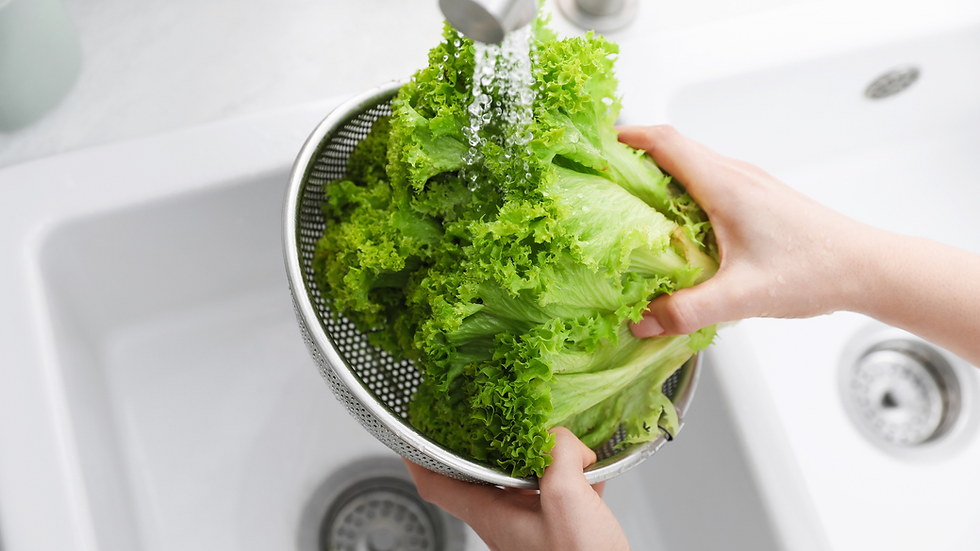
Should You Really Wash Your Food Before Eating?
A science-based breakdown of food contamination sources, potential health consequences, effective washing methods, and common food-cleaning myths that don’t hold up to evidence.

Can Meal Prepping Improve Healthy Eating Habits Long Term?
A fact-based look at the science behind meal prepping, optimal prep duration and food safety, potential downsides, and the extra benefits most people overlook.
.png)
1 / 3


About Gadgifyr
We uncover and review gadgets that genuinely make life better — from boosting focus and energy to improving everyday comfort and wellbeing.
No exaggerations, no empty promises. Just real reviews, grounded research, and practical tech that adds value — not noise.
When a gadget makes bold claims, we test the facts, check the science, and give you the clarity you need to decide with confidence.
Join the Gadgifyr Community
Stay ahead of the curve, together.
Get involved with a community that loves smart gadgets, real reviews, and tech that actually improves life.
Subscribe to the Newsletter
No spam. Just smart tech.
Get new reviews, science insights, and hand-picked gadget drops straight to your inbox.
Explore Gadgifyr's Blogs


Gadgifyr
April 18, 2026
-
7 min
Clean Mouth, Clear Science: What Actually Improves Oral Hygiene
A science-guided oral care routine is built on consistent plaque control, smart fluoride use, and lifestyle choices that reduce acid exposure - while avoiding overbrushing, unnecessary abrasion, and “whitening” shortcuts that can undermine enamel protection.
Category

Gadgifyr
May 18, 2026
-
6 min
Intermittent Fasting: What It Does, What It Doesn’t, and How to Use It Safely
A practical, evidence-grounded guide to what intermittent fasting is, how it affects metabolism and appetite, where the research is strongest, what is still uncertain, and how to implement it.
Category

Gadgifyr
May 3, 2026
-
7 min
Wearable Health Tracking Demystified: What Your Smartgear Gets Right - and What It Doesn’t
An accessible exploration of how consumer wearables sense the body, which measurements hold practical value, where accuracy weakens, and how upcoming technologies could expand their medical relevance.
Category


