Gadget Science — The Proof Behind the Products
Explore the research that powers modern gadgets — from sleep tech to skincare tools. Every article breaks down real studies, clear data, and tested insights, so you’ll know exactly which innovations are backed by science and which are just clever marketing.

Can Living Too Clean Actually Harm Your Health?
A healthier home is not the “cleanest” home, it is the one that reduces harmful pollutants and infections without overusing chemicals that irritate lungs or stripping away normal microbial exposure.

Sleep Position Fixes for Neck and Back Pain
Sleep posture and pillow height can measurably change neck and back strain, but the biggest gains come from supporting neutral alignment and responding early to persistent waking pain.

Can Ambient Scents in Your Home Really Affect Mood and Well-Being?
Smells can shift mood and attention, but the most reliable effects come from comfort, memory, and preference—not “detoxing the brain” or curing anxiety.
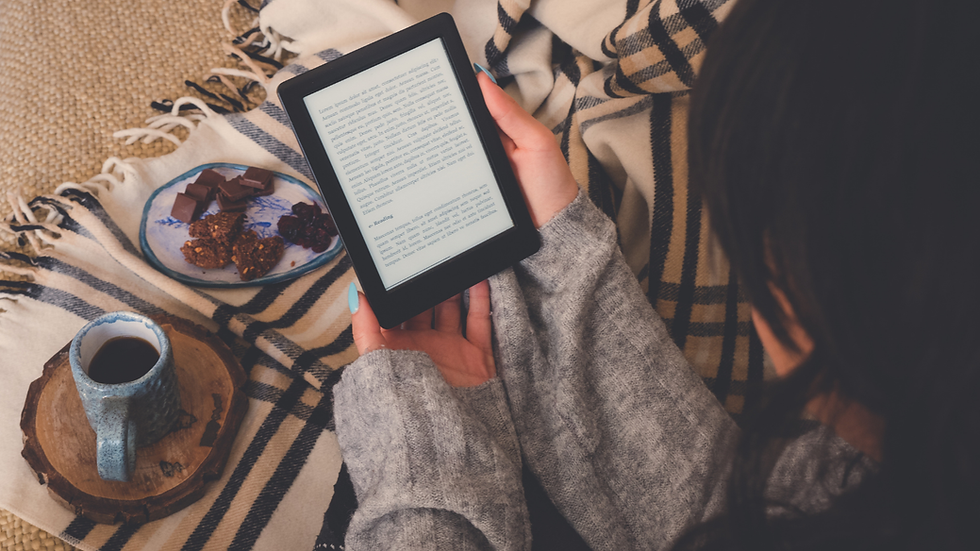
Do Digital Readers Improve the Reading Experience Without Harming Your Eyes?
Screens can strain eyes and disrupt sleep mainly through brightness, focus stress, and reduced blinking, while paper still has a small advantage for deep comprehension in many studies.

Pomodoro: Small Timer, Big Focus Boost
The Pomodoro technique is a simple “work–break rhythm” that can improve energy and focus mainly by reducing fatigue and distraction—not by magically boosting output for every task.

Plastic Cutting Boards and Microplastic Exposure
How everyday food preparation can quietly increase microplastic intake

Air Filters and Allergic Rhinitis Relief: What Science Confirms
Air purifiers promise relief for allergy sufferers — but do they truly make a difference? Find out what science says about their real impact.
.png)
Beyond Gadgets — Discoveries That Shape Tomorrow
Dive into fascinating breakthroughs, from quantum biology to green energy and neural tech. These stories explain how science and innovation are changing the world — and how today’s theories might become tomorrow’s gadgets.

Bio-Concrete: The Rise of Self-Healing Infrastructure
Engineers are turning to nature’s microbes to create concrete that can repair its own cracks — a breakthrough that could transform the built environment.

The Mathematics of Chaos: Finding Order in Disorder
From weather patterns to the beating of the heart, chaos theory reveals that unpredictability is not the absence of order — but a deeper kind of structure.

Human Hibernation Research: The Science of Induced Slumber
From emergency medicine to deep-space travel, scientists are exploring how to safely slow human metabolism — and what it could mean for the future of life and survival.

Artificial Embryos and Lab-Grown Life: Redefining the Beginning
Scientists are learning to assemble living embryos without eggs or sperm — a breakthrough that could transform medicine, ethics, and our understanding of what it means to create life.

The Rise of Nanomedicine: Healing at the Molecular Scale
By designing treatments smaller than a cell, scientists are redefining how medicine can diagnose, deliver, and even repair life from within.

The Science of Dreams: Decoding the Theater of the Mind
Neuroscience is beginning to uncover how and why we dream — revealing that these nightly stories may be the brain’s way of learning, healing, and imagining the future.